



Come see us at 2727 Saint St., Houston, TX 77027

Hair Color Blog Archives

As Seen In
American Salon Houston Chronicle Houston Modern Luxury Vogue Allure

Hair Color Ideas That Complement Your Skin Tone

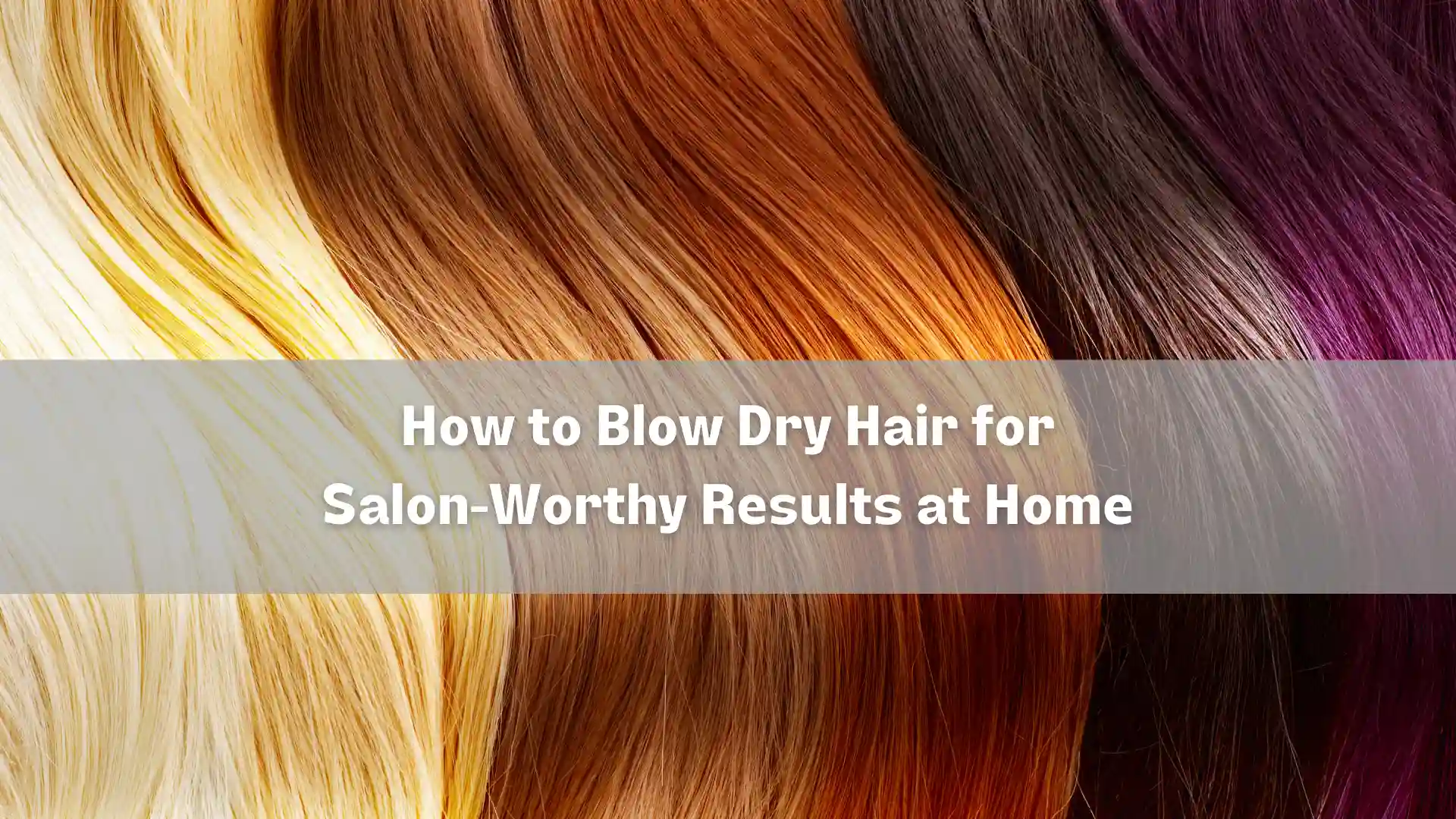
How to Blow Dry Hair for Salon-Worthy Results at Home ImageThe right hair color can do more than change your look—it can make your skin look healthy, glowing, and radiant. The key is understanding your skin tone and undertone so you can choose a shade that enhances your natural complexion instead of washing it out. Whether you are in the mood for a bold change or want to brighten things up, we will help you find the most flattering shade for a natural, effortless glow.

Understanding Skin Tones and Undertones

Before picking a hair color, you need to know your skin’s undertone—it makes certain shades pop and others fall flat. Not sure where you land? This guide breaks it down so you can find the most flattering color for you.

  • Warm Undertones: If your veins appear greenish and gold jewelry looks best on you, you likely have warm undertones.
  • Cool Undertones: If your veins look blue or purple and silver jewelry flatters you more, you have cool undertones.
  • Neutral Undertones: If you see both blue and green veins or suit both gold and silver jewelry, you have a neutral undertone, meaning you can wear various shades!

Knowing your undertone helps match your hair color to your skin tone so that your new shade looks seamless rather than out of place.

Hair Colors for Different Skin Tones

Once you have identified your undertone, you can explore which hair colors will be most flattering for you.

Fair Skin Tones

Fair skin tones can be warm, cool, or neutral, and the right shade enhances your complexion. Warm undertones glow with golden blondes, honey hues, and caramel tones, while cool undertones suit ash blonde, platinum, and cool champagne shades. Neutral undertones can pull off soft beige blondes, sandy tones, and light copper for a natural yet polished look.

Medium Skin Tones

Medium skin tones have a perfect balance, making them versatile for various shades. Warm undertones shine with rich browns, golden balayage, and caramel highlights for added dimension. Cool undertones suit chocolate brown, espresso, and soft auburn without looking brassy. Neutral undertones glow with bronde, toffee hues, or soft balayage for a natural, effortless look.

Olive Skin Tones

Olive skin tones are lucky—your undertones pair well with warm, neutral shades. Rich espresso, warm chestnut, deep golden blondes, and cinnamon tones enhance your natural warmth, creating a radiant look. Avoid overly ashy shades, as they make your skin appear sallow instead of bringing out its natural glow.

Dark and Deep Skin Tones

Dark and deep skin tones glow with rich, intense hues that add contrast and vibrancy. Warm undertones suit deep chocolate, mahogany, warm burgundy, and golden caramel highlights. Cool undertones shine with blue-black, dark plum, and espresso browns. Neutral undertones can pull off chestnut browns, warm reds, or honey balayage for a universally flattering look.

Bold Hair Colors

Some people love natural hues, while others enjoy experimenting with bold, statement-making shades. If you want to go bold, the right vibrant shade can make your skin glow.

  • Fair skin tones shine with cool pastels like icy blue, soft lavender, or bold cherry red.
  • Medium skin tones can rock rich jewel tones like emerald green, sapphire blue, or deep auburn.
  • Olive skin tones look stunning in warm, fiery shades like copper, bronze, or deep teal.
  • Dark and deep skin tones can pull off intense hues like electric violet, rich ruby red, or bold cobalt blue for a striking contrast.

No matter your skin tone, the right bold shade can bring out your features and make your complexion pop. Whether you’re thinking about a vibrant new look or just want to switch things up, see what’s possible with professional coloring services and find a shade that’s perfect for you.

Low-Maintenance Hair Color Options
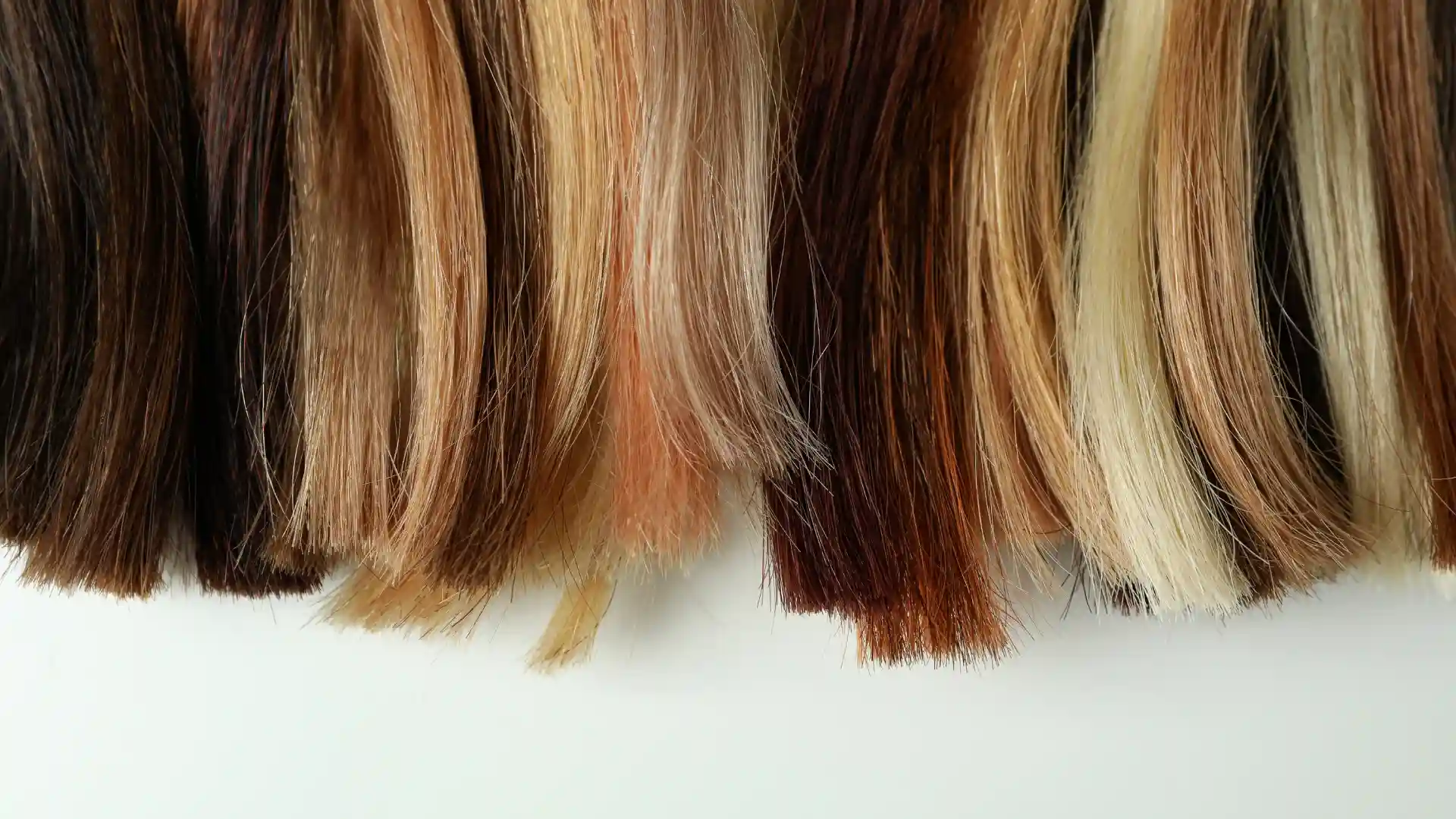
Various hair strands in mixed blonde, brown, and dark shades.If you do not want to be in the salon every few weeks, consider:

  • Balayage or ombré: Grows out beautifully and requires less frequent touch-ups.
  • Root smudging: Blends roots seamlessly with the rest of your color.
  • Gloss treatments: Enhance shine and refresh your color without full commitment.

These options keep your color looking fresh without constant salon trips. Choosing a style that grows out seamlessly or enhances your existing hair means less upkeep and more time enjoying effortlessly gorgeous hair.

Ready to Glow? Let’s Find Your Perfect Shade!

Your hair color should do more than just change your look—it should make your skin glow, your features pop, and your confidence soar. Whether you’re craving a subtle refresh or a bold, head-turning transformation, Therapy Hair Studio in Houston is here to make it happen. Our expert stylists know how to create a shade that’s perfect for you. Ready to love your hair? Book a consultation today, and let’s find your perfect color!

Related Posts:
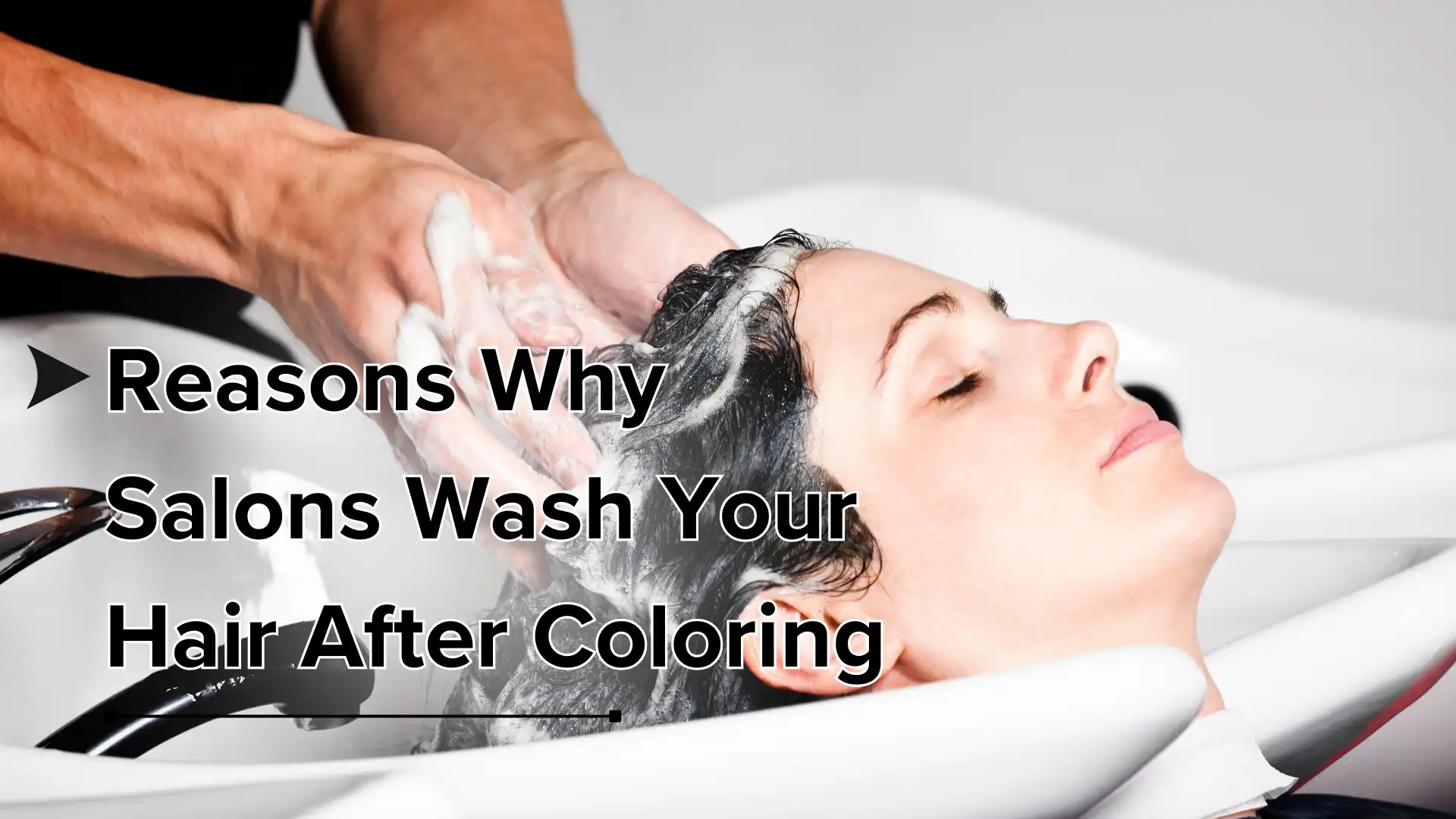

Why Do Salons Wash Your Hair After Coloring?

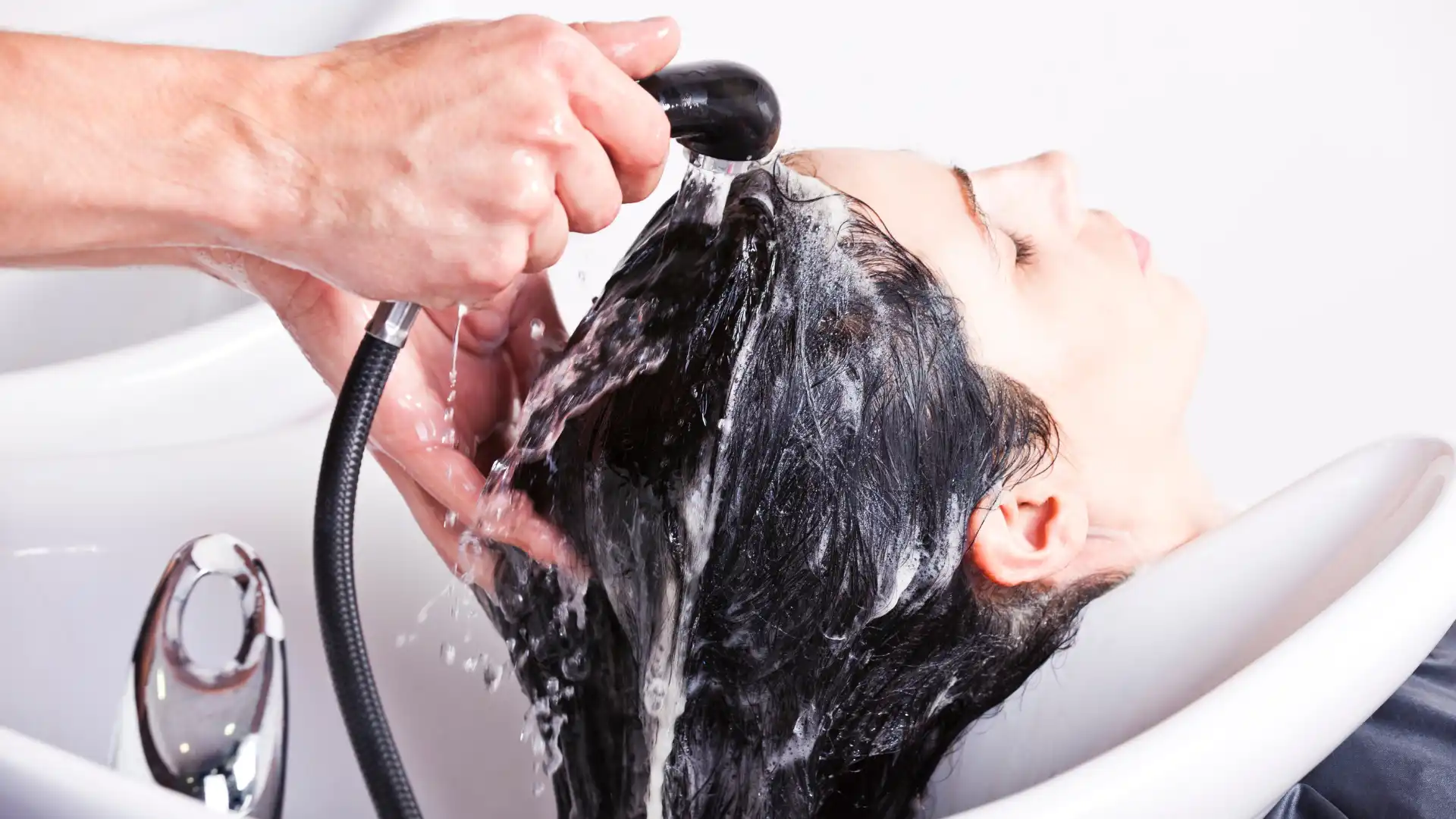
a woman with dark hair reclines at a salon sink while a hairstylist washes her hair with shampoo

If you’ve ever wondered why your colorist rinses your hair right at the chair instead of sending you home to wash it yourself, there’s real chemistry behind it — not just habit. At Therapy Hair Studio in Houston, we walk every client through this step because understanding it helps you get more life out of your color. Here’s exactly why we wash your hair after coloring, and what our colorists do differently to make your shade last.

Why Salons Wash Your Hair Immediately After Coloring

1. It Removes Excess Dye From the Hair and Scalp

Not all the dye you see on your hair during processing actually penetrates the hair shaft. Some sits on the surface of your strands and scalp. Rinsing it out right away prevents scalp irritation and keeps your color from transferring onto pillowcases, collars, and towels once you get home.

2. It Stops the Color From Continuing to Develop

Hair dye keeps developing as long as it’s in contact with your hair — even after your colorist checks a strand test. Rinsing is what actually stops the chemical reaction. Skip this step, or wait too long, and a shade that looked perfect under the foils can shift darker or more brassy by the time it’s rinsed.

3. It Distributes Color Evenly

Washing helps smooth out any spots where dye built up more heavily, which is part of what gives salon color that seamless, professional finish instead of a patchy, DIY look.

4. It Protects Your Hair and Scalp From Residue

Even premium color lines leave some residue behind. A proper rinse with lukewarm water and color-safe products removes that residue without stripping the color you just paid for.

5. It Actually Helps Your Color Last Longer

This is the part clients are usually most surprised by: rinsing and sealing with the right pH-balanced, color-safe shampoo and conditioner closes the hair cuticle around the new pigment. That’s what locks color in rather than letting it wash out over your first few home washes.

A woman reclines at a salon sink with her eyes closed while a hairstylist rinses her dark hair with water at Therapy Hair Studio in Houston

What Our Colorists Do Differently at Therapy Hair Studio

Beyond a basic rinse, our stylists use lukewarm (never hot) water, a sulfate-free color-safe shampoo, and a bond-building or pH-balancing conditioner to seal the cuticle before you leave the chair. We also time the rinse to your specific formula — balayage, all-over color, and vivid fashion colors all call for slightly different post-color care to protect the investment you just made.

How to Protect Your Color at Home

  • Use color-safe shampoo and conditioner. Regular shampoo can strip color faster than normal wear. We carry a curated lineup in our product shop.
  • Wash with lukewarm or cool water. Hot water opens the cuticle and speeds up fading.
  • Space out your washes. Fewer washes per week means less color loss over time.
  • Add a color-safe hair mask weekly. This keeps color-treated hair hydrated and helps hold pigment.
  • Protect hair from sun and heat styling. UV rays and heat styling both accelerate fading.

For a deeper breakdown, see our guide on maintaining your hair color between appointments, and check our color-treated hair myths, debunked for a few surprising do’s and don’ts.

Frequently Asked Questions

Will washing my hair right after coloring make the color fade faster?

No — the opposite. The in-salon rinse uses lukewarm water and color-safe products specifically to seal the cuticle and lock color in, not strip it out.

How soon can I wash my hair myself after a salon color service?

This depends on your specific formula — ask your colorist before you leave. Many color services are safe to wash the next day, while certain treatments (like a gloss or toner) may benefit from waiting 24-48 hours.

What happens if I don’t wash the dye out right away?

The color keeps developing the longer it’s left on, which can push your shade darker or off-tone from what you and your colorist agreed on.

Should I use a color-safe shampoo at home?

Yes. Color-safe, sulfate-free formulas help color-treated hair hold pigment significantly longer than regular shampoo.

Book Your Color Service at Therapy Hair Studio

Washing your hair after coloring is a small step with a big impact on how your color looks and how long it lasts. At Therapy Hair Studio in Houston, our colorists build proper aftercare into every appointment so you leave with a shade that holds up. Visit our Color Services page to explore our offerings, or book an appointment with one of our expert colorists.

Related reading: Highlights vs. Lowlights vs. Babylights Explained | How to Keep Your Salon Hair Color From Fading | How Long Does It Take to Dye Your Hair at the Salon?


Highlights vs. Lowlights vs. Babylights Explained

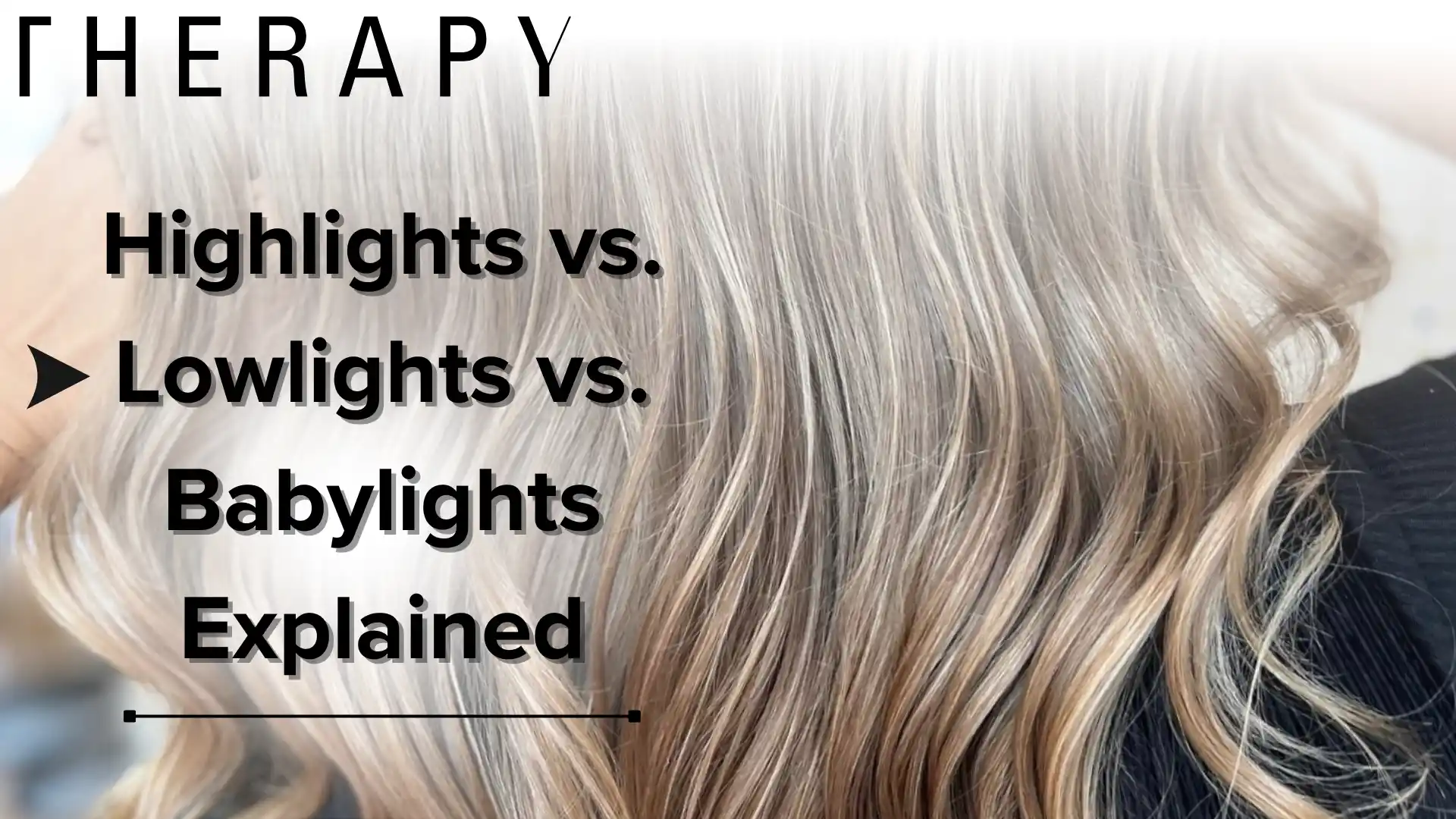
Highlights vs. Lowlights vs. Babylights Explained Image, closeup of person's hair with highlights

Transform your hair with a variety of color techniques that enhance your look subtly or dramatically. Highlights vs lowlights vs baby lights each offer unique benefits to match your specific hair goals. So, how do these techniques differ, and which one suits you best? Let’s clarify the options to help you choose confidently.

Brightening Up Your Look with Highlights

Highlights are one of the most common hair coloring techniques. This method involves lightening specific sections of your hair, creating a sun-kissed effect that brightens your overall appearance. Highlights can add depth and dimension to your hair, making it look more voluminous and textured.

Ideal Uses:

  • Adding Dimension: If your hair feels flat or one-dimensional, highlights can create the illusion of depth and movement.
  • Brightening Your Face: Strategically placed highlights can brighten your complexion by framing your face with lighter shades.
  • Low-Maintenance Upkeep: Depending on the contrast with your natural hair color, highlights can offer a relatively low-maintenance option, especially if you opt for a more natural look.

Best for:

  • Individuals with medium to light hair colors
  • Those looking to add a bit of brightness without a full-color overhaul
  • Anyone wanting a versatile, timeless hair color option

The Depth and Contrast of Lowlights

Lowlights are essentially the opposite of highlights. This technique involves adding darker shades to your hair, creating contrast and depth. Lowlights can enrich your hair color, making it appear thicker and more textured. By incorporating lowlights, you add depth and dimension, enhancing your natural color and providing a balanced, multi-dimensional look.

Ideal Uses:

  • Enhancing Natural Color: If you feel your hair color is too light or washed out, lowlights can bring back some of the natural depth
  • Creating Contrast: Lowlights are excellent for adding dimension to highlighted hair, preventing it from looking overly bleached or monochromatic
  • Balancing Out Bright Colors: If you’ve gone a bit too light with your highlights, lowlights can help tone things down and create a more natural, blended look

Best for:

  • Individuals with naturally light hair who want more dimension
  • Those with highlighted hair looking to add more depth and prevent an overly bright look
  • Anyone seeking a more natural, multi-dimensional hair color

The Subtle and Delicate Babylights

Babylights are an ultra-fine, subtle highlighting technique that mimics the natural, sun-kissed highlights seen in children’s hair. This method involves taking very fine sections of hair and lightening them slightly, resulting in a soft, natural-looking effect.

Ideal Uses:

  • Natural Enhancement: If you want a subtle change that enhances your natural hair color without drastic contrast, babylights are perfect.
  • Softening Your Look: Babylights can soften harsh lines and give your hair a beautifully blended appearance.
  • Perfect for All Hair Types: This technique works well on any hair type and color, providing a flattering result.

Best for:

  • Individuals looking for a minimal, low-key change
  • Those with fine hair, as babylights can create the illusion of fuller hair without overpowering your natural look
  • Anyone wanting a natural, effortlessly sun-kissed appearance

Choosing the Right Technique for Your Hair Goals

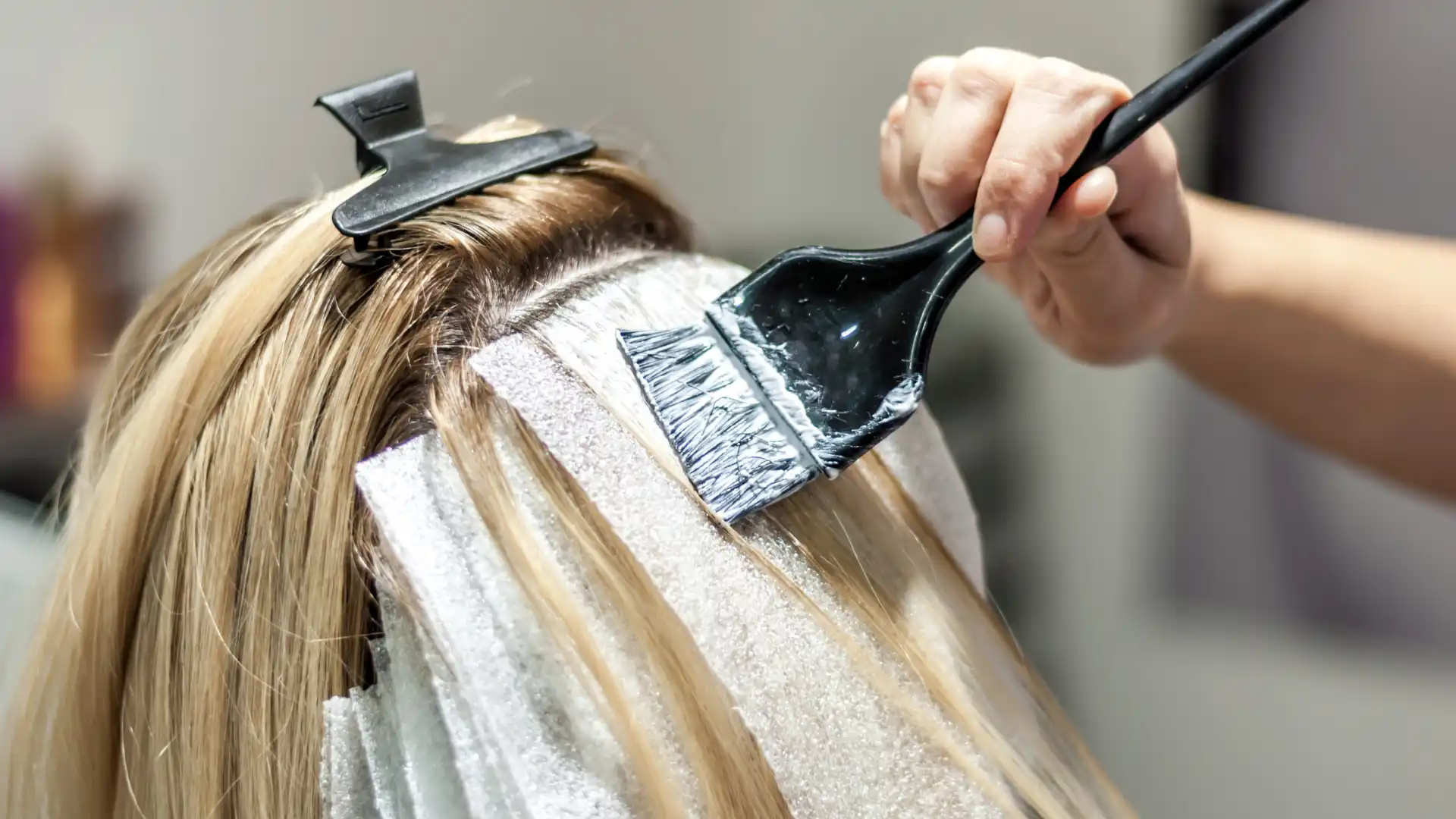
hair stylist applying highlights to their client

When choosing between highlights, lowlights, and babylights, your decision should be based on your personal hair goals, natural hair color, and desired maintenance level. Here’s a quick guide to help you pick among highlights vs lowlights vs baby lights and find the best option for you:

  • Highlights: Opt for highlights to brighten your overall look, add depth and dimension, and create a vibrant, sun-kissed effect.
  • Lowlights: Choose lowlights if you’re aiming to add depth, balance out overly bright highlights, or enhance your natural hair color with richer tones.
  • Babylights: Your go-to if you prefer a subtle, natural enhancement.

Personalized Hair Color Expertise at Therapy Hair Studio

At Therapy Hair Studio in Houston, Texas, we understand that every individual’s hair is unique. Our team of expert colorists is dedicated to helping you achieve your perfect look, whether that means brightening your hair with highlights, adding depth with lowlights, or subtly enhancing your natural color with babylights.

We invite you to visit Therapy Hair Studio for a personalized consultation. Our professionals will work with you to understand your hair goals, assess your natural hair color and type, and recommend the best technique to achieve your desired look. With our expertise in these sophisticated color techniques, you can feel confident that your hair will look its best, complementing your style and personality.

Contact Therapy Hair Studio today to schedule your appointment and take the first step toward your dream hair color. Experience the difference that expert care and personalized service can make!

Related Posts:

How Long Does It Take To Dye Your Hair At The Salon?

Highlights vs. Lowlights – What Are the Major Differences Between Them?

How to Keep Your Salon Hair Color From Fading

Reasons Why Salons Wash Your Hair After Coloring