



Come see us at 2727 Saint St., Houston, TX 77027
As Seen In
American Salon Houston Chronicle Houston Modern Luxury Vogue Allure

Hair Salon Blog: Essential Hair Care Tips and Insights

Hair Care Basics: How Often You Should Shampoo and Condition Your Hair

HAIR CARE BASICS_ HOW OFTEN YOU SHOULD SHAMPOO AND CONDITION YOUR HAIR

Many people shampoo and condition their hair daily, believing this routine helps their hair stay clean and healthy. Unfortunately, daily shampooing and conditioning can damage your hair and make it harder to manage. At the same time, going too long between shampoo and conditioning treatments can also damage your hair and leave it looking greasy. The trick is to find the Goldilocks zone: Not so often that your hair products start to damage your hair, but often enough to keep it healthy and looking its best.

At Therapy Hair Studio, we understand the challenges of maintaining your hair. We also know everyone’s hair is different, and finding the right routine is often difficult. Our team would be happy to suggest some routines and products to use, but in the meantime, this blog explains how often you should wash and condition your hair.

Washing Too Often Leads to Dry, Frizzy Hair

Have you ever noticed your hair feeling stripped or brittle, even when you’re using fancy hair products? That could be a sign you’re washing it too frequently. Shampooing is essential to remove dirt and product build-up, but overdoing it can strip your hair of its natural oils. These oils, produced by your scalp, keep your hair moisturized and protected. When robbed of this essential layer, your hair becomes dry, frizzy, and more prone to breakage.

Conditioning, on the other hand, replenishes the moisture in your hair. However, over-conditioning can weigh down your hair, making it look greasy and lifeless. It can even lead to product build-up, which ironically defeats the purpose of shampooing in the first place.

Washing Too Infrequently Causes Greasy, Itchy Hair

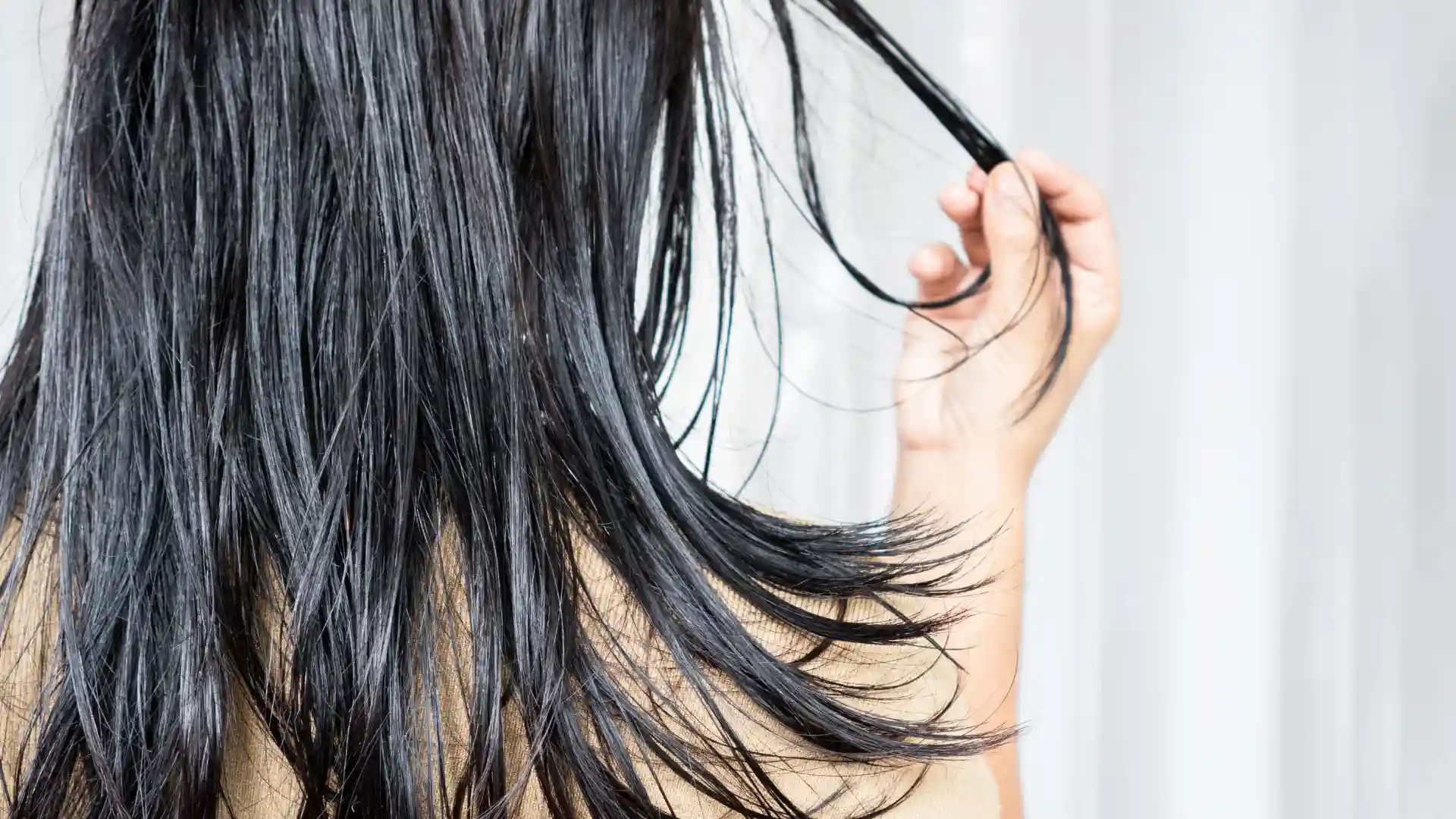
In the quest for healthy hair, waiting too long between washes can also cause problems. If you go too long between shampoo treatments, your scalp accumulates dirt, oil, and product residues. This build-up makes your hair look limp and greasy and can also clog hair follicles, potentially hampering healthy hair growth. An environment like this becomes a playground for bacteria, leading to scalp infections, dandruff, or an itchy, irritated scalp.

It’s also critical to condition your hair regularly. Daily wear and tear, environmental pollutants, and styling can take a toll on your hair, making it vulnerable to damage. Regular conditioning helps restore the lost moisture, ensuring your hair stays strong, elastic, and less prone to breakage. Skipping conditioner for extended periods also leaves the hair unprotected, leading to dryness, tangles, and brittleness.

Finding the Hair Care Sweet Spot

HAIR CARE BASICS_ HOW OFTEN YOU SHOULD SHAMPOO AND CONDITION YOUR HAIR 2For most, shampooing and conditioning two to three times a week is the sweet spot. This schedule keeps your hair clean without stripping away its natural oils, helping you maintain a clean, nourished scalp while keeping the hair vibrant and lively.

However, conditioner is a tad more forgiving to your hair than shampoo. If you often find your hair feeling dry or tangled, you can consider conditioning even on days you skip the shampoo. It’s less likely to cause any harm and could be the hydration boost your locks crave.

Properly Washing and Conditioning Your Hair: A Step-By-Step Guide

  • Wet Your Hair: Begin by thoroughly wetting your hair with lukewarm water. This helps open the hair cuticles and prepares your scalp for a cleanse. Hot water can damage your hair follicles and scalp, so don’t turn the temperature too high.
  • Apply Shampoo: Pour a coin-sized amount of shampoo (adjust for your hair length) onto your palm. Lather between your hands and then apply to the scalp. Remember, the primary focus is the scalp; that’s where most dirt and oil accumulate.
  • Massage: Use your fingertips (not nails!) to gently massage the shampoo into your scalp in circular motions. This boosts blood circulation and aids in effective cleansing.
  • Rinse: Rinse out the shampoo thoroughly with lukewarm water. Ensure there’s no residue, as leftover shampoo can lead to scalp irritation and product build-up.
  • Apply Conditioner: Pour conditioner into your palm and rub your hands together. Apply it mainly to the mid-lengths and ends of your hair. These are the oldest and most damaged parts of your hair, and they benefit most from the conditioner’s nourishing ingredients.
  • Let it Sit: Allow the conditioner to sit for 2-5 minutes. This lets your hair absorb all the goodness. If your hair is particularly dry or damaged, leave it on a bit longer.
  • Rinse Again: Rinse out the conditioner thoroughly with cold water. This helps seal the cuticle, ensuring your hair retains moisture and shines brightly.
  • Pat Dry: Instead of roughly rubbing your hair with a towel, gently pat it dry or use a t-shirt. This minimizes friction and reduces the risk of breakage.

Therapy Hair Studio has everything you need to make your hair shine, and our stylists can help you find your perfect style. Call (713) 355-4247 or complete our contact form to schedule an appointment.


Related Posts:


Do Chemical Peels Help with Acne?

Every year, millions of people seek solutions to the persistent issue of acne. While countless products claim to banish blemishes, there’s one method that’s gaining traction: chemical face peels. But do chemical peels really work as well as advocates claim?

At Therapy Hair Studio, our team knows how vital a clear complexion is to your self-confidence and appearance. We want you to look stunning wherever you go, and chemical peels can clear up breakouts and acne scars. Keep reading to learn about this revolutionary new treatment for acne.

First Things First: What Is Acne?

Your skin is covered in pores, and they sometimes become filled with dirt, oil, or dead skin cells. When pores become clogged, the skin develops red, swollen bumps called acne. Acne can show up in different styles:

  • Blackheads: Little black dots on the skin, looking like dirt stuck in your pores
  • Whiteheads: Tiny white bumps filled with a white substance
  • Pimples: Red pustules with a white top filled with pus
  • Cysts: Larger, painful lumps beneath the skin’s surface, which might be filled with pus
  • Nodules: Hard bumps under the skin, often painful to touch

Understanding Chemical Peels

A chemical peel is a skincare treatment that uses a solution to improve the texture and appearance of the skin. When applied to the face, this solution causes the top layer of skin to exfoliate and eventually peel off. As this outer layer sheds, a new layer of skin emerges. Most of the time, this new layer is smoother and less blemished.

The term “chemical” might sound intense, but many peeling agents come from natural sources. The depth and intensity of the peel—how deep it penetrates the skin—can vary. Some peels are gentle and only target the very surface, while others go deeper to address more stubborn skin concerns. Regardless of the type, the goal of a chemical peel is to refresh and rejuvenate the skin’s appearance.

How Do Chemical Peels Treat Acne?

When it comes to acne, our skin often needs a little extra push to clear out impurities and pave the way for clearer days. Chemical peels offer that push in a few key ways:

  • Exfoliation: At its core, a chemical peel promotes exfoliation. Encouraging the skin to shed its top layer helps remove dead skin cells that could be clogging pores.
  • Bacteria Reduction: Some chemical solutions used in peels have antibacterial properties. This means they can target and reduce the bacteria that contribute to acne breakouts.
  • Unclogging Pores: Acne often sprouts from clogged pores filled with oil, bacteria, and dead skin cells. Chemical peels help by deeply cleaning and unclogging these pores, giving them a fresh start.
  • Reducing Inflammation and Redness: Some chemical peels contain ingredients that soothe the skin and reduce inflammation, which can be especially beneficial for inflamed, angry pimples.
  • Decreasing Appearance of Scars: For those who’ve had acne, the aftermath can sometimes be as challenging as the breakouts themselves. Chemical peels can assist in fading post-acne marks and scars, creating a smoother and more even-toned appearance.
  • Regulating Oil Production: Excessive oil can be an acne trigger. Certain peels help balance the skin’s oil production, ensuring it’s neither too dry nor too oily.

Who’s a Good Candidate for a Chemical Peel?

When done by an experienced and knowledgeable skin care professional, a chemical peel can help with the following skin conditions:

  • Acne cysts
  • Acne scars
  • Age spots
  • Hyperpigmentation (dark spots on the skin)
  • Melasma (patches of brown or blue-gray patches or freckle-like spots on the skin)
  • Sun-damaged skin
  • Fine lines and wrinkles

On the other hand, certain patients should avoid having chemical peels to treat acne, including:

  • Patients with current or previous bacterial or fungal infection
  • Patients taking medication to treat these infections
  • Patients who’ve used a prescription medication to treat acne within the last year
  • Patients with a history of irregular scarring or keloids
  • Patients with certain immune-related diseases
  • Patients who are pregnant or breastfeeding, just to be safe

Consult a dermatologist or skin care professional before undergoing a chemical peel to make sure it’s safe and won’t further damage your skin.

Sick of Acne? Therapy Hair Studio Can Help

Chemical peels are just one of the many services we offer at Therapy Hair Studio. Our highly skilled and experienced team knows that clear skin and the right haircut are essential elements of your personal style. We can help you clear up those blackheads or whiteheads, along with any acne scars, to rejuvenate your skin. Call (713) 355-4247 today or complete our contact form to schedule an appointment.


Related Posts:


Skin Resurfacing Treatments: Seven Things You Need to Know

When it comes to beauty and self-care, Therapy Hair Studio doesn’t just stop at luxurious locks. We can also keep your skin healthy and radiant with resurfacing treatments. Dive deep with us as we demystify the wonders of these revolutionary procedures. From their transformative powers to the magic behind the process, we’ve compiled seven essential things everyone in Houston needs to know before scheduling a treatment.

#1 What Are Skin Resurfacing Treatments?

According to the American Board of Cosmetic Surgery, skin resurfacing is a cosmetic procedure that rejuvenates the skin by removing its outermost layers. Through various techniques like lasers, chemical peels, or microdermabrasion, these treatments address imperfections such as wrinkles, scars, and discoloration. By promoting the growth of new, healthier skin cells, skin resurfacing leaves you with a smoother, more radiant complexion.

#2 Different Types of Skin Resurfacing Treatments

Skin resurfacing boasts a variety of treatments tailored to individual needs:

  • Laser Resurfacing: Uses focused beams of light to target and eliminate damaged skin cells.
  • Chemical Peels: Involves applying a chemical solution to peel away the skin’s top layers, revealing fresh skin beneath.
  • Microdermabrasion: A minimally abrasive technique using tiny crystals to exfoliate the superficial layer of dead skin cells.
  • Dermabrasion: A more intensive procedure that sands down the skin to improve its texture and appearance.

#3 Who’s a Good Candidate for Skin Resurfacing Treatments?

Skin resurfacing is a transformative journey, but it’s essential to know if it’s right for you. Ideal candidates typically:

  • Have Realistic Expectations: Understanding the potential outcomes ensures satisfaction post-treatment.
  • Possess Good Skin Health: Those without active breakouts or severe skin conditions can achieve the best results.
  • Aim to Address Specific Concerns: Whether it’s fine lines, age spots, scars, or uneven texture, having a clear goal aids treatment selection.
  • Are Non-Smokers: Smoking can hinder the healing process.
  • Are Committed to Post-Treatment Care: Proper skincare after treatment is crucial for optimal results.

#4 Potential Complications from Skin Resurfacing Treatments

While skin resurfacing treatments offer promising results, being aware of potential complications is crucial. Many people experience redness and swelling after a treatment, which usually subsides after a few days. However, prolonged symptoms might hint at more severe complications. In rare instances, the treatment can result in raised or keloid scars. There’s also the risk of infection due to breaks in the skin, necessitating medical attention.

Some individuals may experience changes in skin coloration, either darkening (hyperpigmentation) or lightening (hypopigmentation). Those with a history of herpes around the mouth should be aware that treatments sometimes reactivate cold sores. Lastly, some laser treatments, if not administered correctly, can lead to burns or blistering.

#5 How Much Do Skin Resurfacing Treatments Cost?

What you’ll pay for skin resurfacing often hinges on the treatment you opt for. For instance, laser resurfacing is usually more expensive than something like microdermabrasion, though it might require fewer visits. Another pivotal factor is the practitioner’s experience. Seasoned professionals with a sterling reputation typically charge a premium for their services. Lastly, the treatment’s extent will influence the final cost.

#6 How Long Do Skin Resurfacing Treatments Last?

Generally, results from treatments like laser resurfacing or deep chemical peels can last several years. However, the more subtle effects of microdermabrasion or light chemical peels may require touch-ups every few months. Furthermore, individual lifestyle choices play a significant role. Those who prioritize sun protection, maintain a rigorous skincare routine, and lead a healthy lifestyle can expect prolonged benefits. Conversely, habits like smoking or excessive sun exposure can diminish results.

#7 How to Choose a Skin Resurfacing Treatment Provider

Selecting the correct skin resurfacing provider is paramount to ensuring your safety and desired results. Here are some steps to guide your decision:

  • Check Qualifications: Ensure the provider has relevant certifications and training specific to the treatments they offer.
  • Read Reviews and Testimonials: Previous client experiences can provide insights into the provider’s expertise and customer service.
  • Ask for Before-and-After Photos: This allows you to gauge the provider’s skills and set realistic expectations for your own treatment.
  • Consider the Consultation Process: You should have a thorough consultation with your provider, where they assess your skin care needs, discuss potential risks, and recommend suitable treatments.
  • Assess the Facility: A clean, modern facility with up-to-date equipment indicates a commitment to quality and the latest advancements.
  • Inquire About Post-Treatment Support: A good provider will offer guidance on aftercare, ensuring the longevity of your results.
  • Trust Your Instincts: Feeling comfortable and confident in your provider is crucial.

At Therapy Hair Studio, our team is dedicated to excellence, prioritizing your safety and well-being, and ensuring you’re happy with your treatment. We’re here to help your skin look its best, so call (713) 355-4247 today or complete our contact form to schedule an appointment.


Related Posts: