



Come see us at 2727 Saint St., Houston, TX 77027

Hair Care Blog Archives

As Seen In
American Salon Houston Chronicle Houston Modern Luxury Vogue Allure

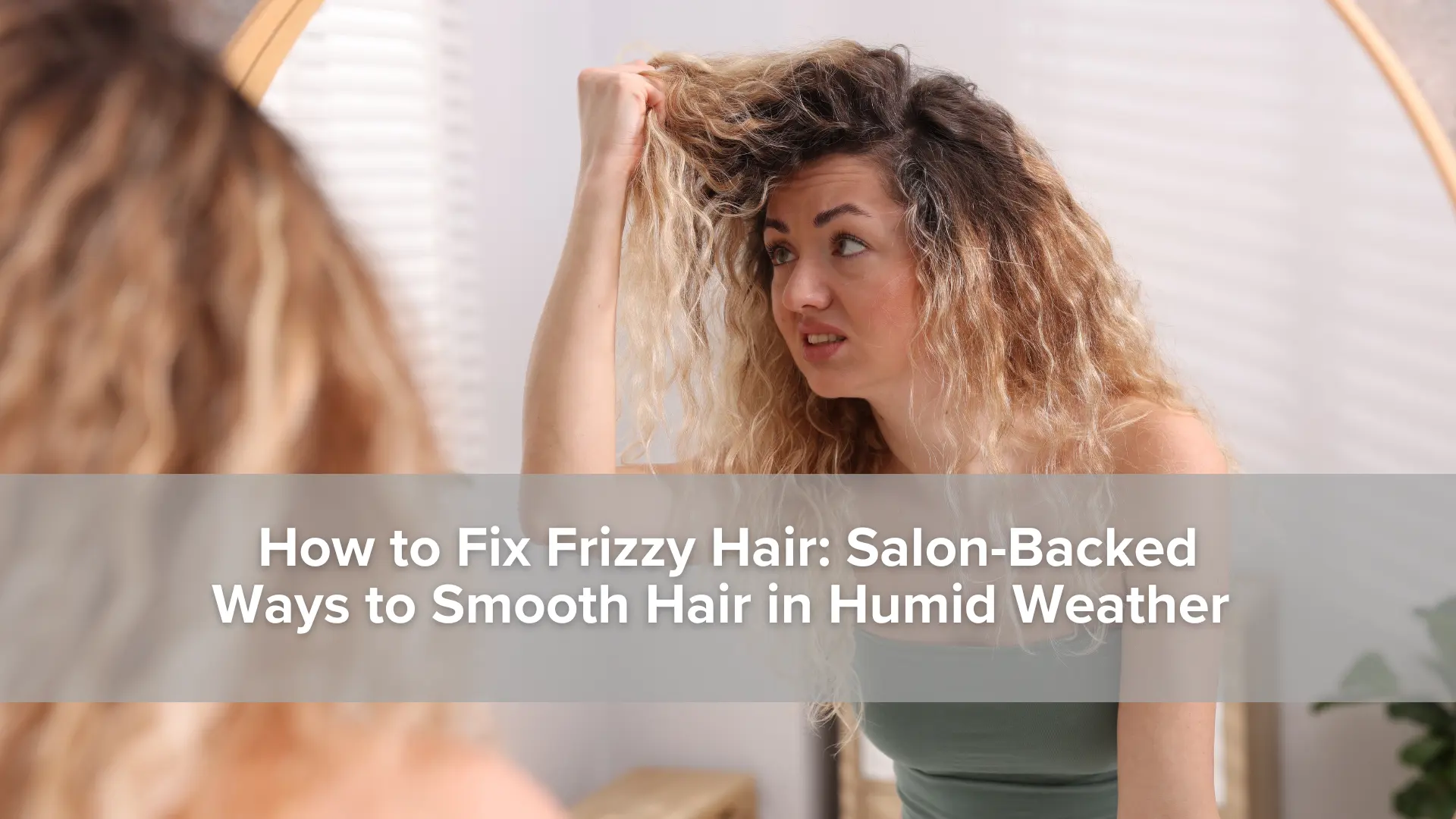
How to Fix Frizzy Hair: Salon-Backed Ways to Smooth Hair in Humid Weather

How to Fix Frizzy Hair_ Salon-Backed Ways to Smooth Hair in Humid Weather image


Houston’s humid climate makes frizzy hair a common challenge. When moisture in the air penetrates your hair shaft, it causes the cuticles to swell, leaving you with unmanageable frizz. You do not have to accept frizzy hair as your reality. Both at-home care and professional salon treatments can help you achieve smooth, healthy-looking hair year-round. This guide covers proven methods to fix frizzy hair, from daily routines to professional salon services that deliver lasting results. At Therapy Hair Studio in Houston, we specialize in frizz solutions tailored to our humid climate.

Why Choose Therapy Hair Studio for Frizz Solutions

When you’re dealing with persistent frizz, the right salon makes all the difference. Therapy Hair Studio offers personalized treatment plans designed specifically for Houston’s humid climate. Our experienced stylists understand how environmental factors affect your hair and create customized solutions that work with your hair type, not against it. Rather than relying solely on over-the-counter products, we offer salon-backed treatments that address frizz at its source. Call (713) 355-4247 to schedule a consultation and discover how professional care transforms your hair.

Understanding What Causes Frizzy Hair

How Humidity Affects Your Hair

Frizz happens when your hair lacks moisture and tries to absorb it from the air around you. Hair is hygroscopic, meaning it naturally absorbs moisture from humid environments. When moisture enters the hair shaft, it causes the outer cuticle layer to swell and lift. This swelling makes hair strands stand up instead of lying flat, creating that characteristic frizzy appearance. Houston’s humidity levels make this problem especially common, as the warm, moist air provides constant moisture that your hair absorbs throughout the day. Understanding this process is the first step toward effective frizz management.

Other Common Frizz Triggers

Beyond humidity, several factors contribute to frizzy hair. Heat damage from blow dryers, flat irons, and curling tools weakens the hair cuticle and makes it more prone to frizz. Over-washing strips away your hair’s natural oils, which normally protect the cuticle and seal in moisture. Split ends and damaged hair cuticles cannot retain moisture effectively, leading to increased frizz. Hard water and mineral buildup also interfere with your hair’s ability to stay smooth and hydrated. According to the American Academy of Dermatology, understanding these triggers is essential for effective hair care.

Professional Salon Treatments That Fix Frizzy Hair

Keratin Treatments and Smoothing Services

Keratin treatments work by coating the hair shaft with a protein-based formula that seals the cuticle and locks in moisture. This treatment smooths the hair surface and reduces frizz significantly. Results typically last between 8 to 12 weeks, depending on your hair type and how often you wash. The treatment process takes 2 to 4 hours, and you’ll notice immediate smoothness and shine. After a keratin treatment, your hair requires less styling time and maintains a polished appearance even in humid conditions. Many clients combine keratin treatments with deep conditioning for enhanced results.

Deep Conditioning and Protein Treatments

Deep conditioning treatments restore moisture and strength to damaged, frizzy hair. These intensive treatments penetrate the hair shaft and repair damage from heat styling and chemical treatments. Protein treatments specifically rebuild the hair structure and fill in gaps in the cuticle layer. We recommend deep conditioning treatments every 2 to 4 weeks for frizzy hair, with more frequent applications if your hair is heavily damaged. You’ll see immediate softness and improved manageability after just one treatment. These treatments are essential for maintaining healthy hair in Houston’s climate.

Daily Hair Care Routine to Reduce Frizz

Your daily routine plays an important role in managing frizz between salon visits. Use sulfate-free shampoo and conditioner, as sulfates strip away natural oils that protect your hair. Apply leave-in conditioner to damp hair, focusing on the mid-lengths and ends where frizz typically occurs. Use anti-frizz serums on the same areas to seal the cuticle and add shine. Always wash your hair with lukewarm or cool water, as hot water opens the cuticle and allows moisture to escape. These simple steps create a foundation for smoother, healthier hair. For best results, consult with our colorists about product recommendations.

Styling Techniques That Minimize Frizz

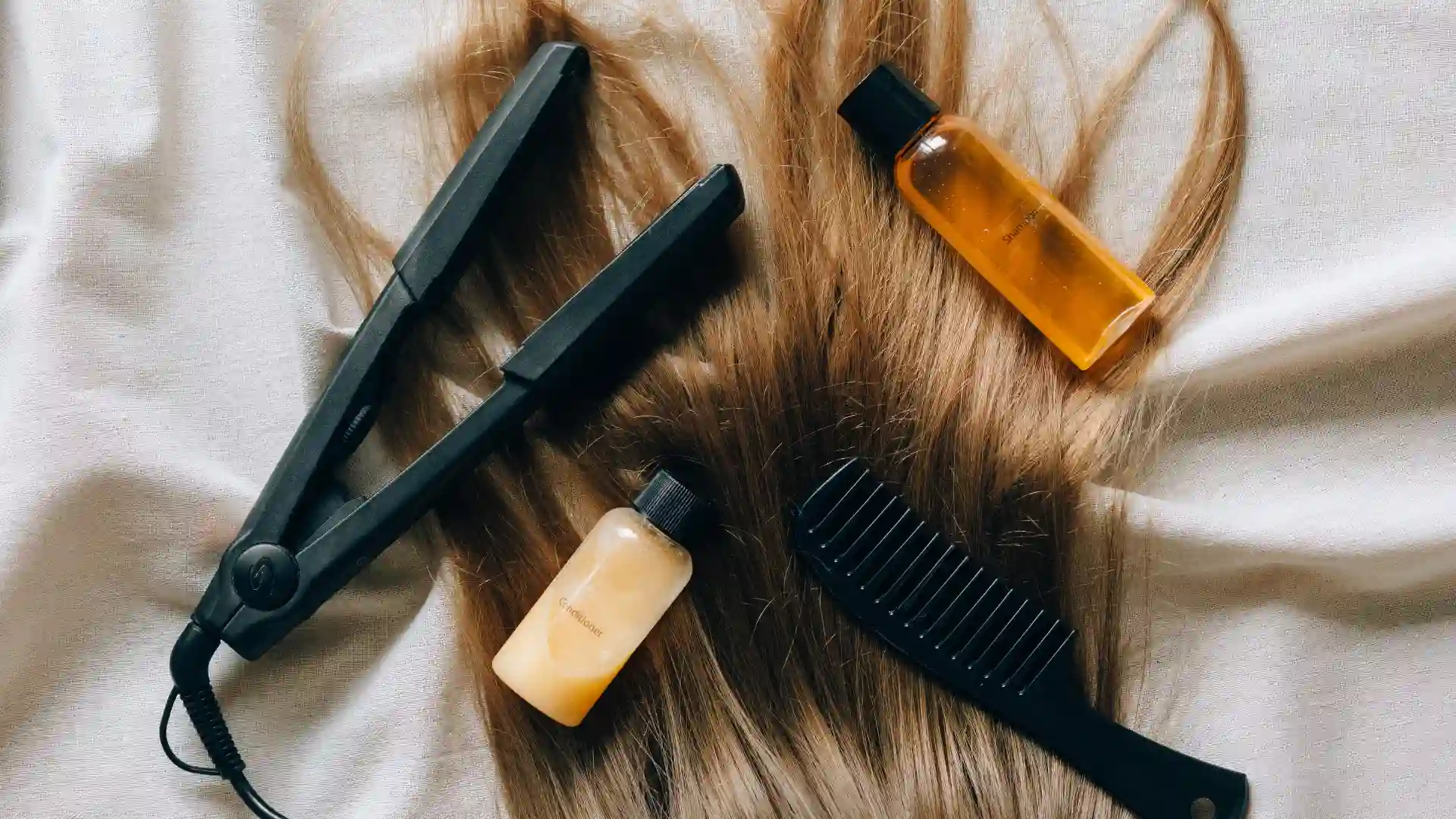
How to Fix Frizzy Hair_ Salon-Backed Ways to Smooth Hair in Humid Weather image 2


Drying Methods That Work

How you dry your hair matters as much as what products you use. Microfiber towels and microfiber hair wraps reduce friction and prevent the cuticle from lifting, unlike regular cotton towels that can roughen the hair surface. When blow-drying, use a diffuser attachment on your dryer to distribute heat evenly and reduce frizz-causing turbulence. For a frizz-free finish, direct the airflow downward along the hair shaft to keep cuticles flat. Air-drying your hair whenever possible eliminates heat damage entirely and reduces frizz significantly. Professional stylists at Therapy Hair Studio can demonstrate proper drying techniques during your appointment.

Heat Styling Without the Frizz

If you use heat styling tools, always apply a heat protectant product first to shield your hair from damage. Flat irons smooth the cuticle when used correctly, but they require proper technique to avoid creating more frizz. Use lower heat settings and work in small sections for best results. Consider low-heat styling alternatives like braiding damp hair overnight or using foam rollers to create waves without heat damage. These methods protect your hair while still giving you the smooth, polished look you want. Learn more about heat-free styling options in our blog.

Overnight and Environmental Protection

Protect your hair while you sleep by using a silk pillowcase instead of cotton. Silk creates less friction than cotton, so your hair stays smoother and experiences less breakage. You can also wrap your hair in a silk scarf or sleep bonnet to keep it protected throughout the night. During the day, shield your hair from humidity by using anti-frizz products before heading outside. In Houston’s climate, consider keeping a travel-size anti-frizz serum or spray in your bag for touch-ups throughout the day. These simple protective measures make a noticeable difference in managing frizz. Research from the National Institutes of Health supports the importance of protective hair care practices.

Frequently Asked Questions About Frizzy Hair

Can frizzy hair be permanently fixed?

While you cannot permanently change your hair’s natural texture, professional treatments like keratin smoothing can provide long-lasting frizz reduction for 8 to 12 weeks. Combined with a proper daily care routine, you can maintain smooth, manageable hair consistently. The key is finding the right combination of professional treatments and at-home care that works for your specific hair type.

How often should I get professional treatments?

For best results, schedule deep conditioning treatments every 2 to 4 weeks. Keratin treatments last 8 to 12 weeks, so plan your next appointment based on when you notice frizz returning. Your stylist at Therapy Hair Studio can recommend a personalized treatment schedule based on your hair’s condition and your lifestyle.

What’s the difference between frizz and flyaways?

Frizz occurs when moisture causes the hair cuticle to swell and lift along the entire hair shaft. Flyaways are individual short hairs that stick out from your style, usually caused by breakage or new growth. While they’re related issues, they require slightly different approaches—frizz needs moisture control, while flyaways benefit from smoothing serums and careful styling. Our hair care consultation can help you address both concerns.

Get Professional Frizz Solutions at Therapy Hair Studio

Stop fighting frizz on your own. Therapy Hair Studio offers professional treatments and personalized care plans designed to transform your hair in Houston’s humid climate. Our experienced stylists understand what causes your frizz and know exactly how to fix it. Schedule your frizz consultation today to take the first step toward smooth, healthy hair that lasts.


4A Hair and Shrinkage: Stretching Methods, Twist-Out Prep, and Moisture Control

4A Hair and Shrinkage_ Stretching Methods, Twist-Out Prep, and Moisture Control imageCaring for 4A hair means embracing a gorgeous, dense texture packed with tight, miniature “S” patterns. While this hair type offers incredible versatility, bounce, and natural volume, it also experiences significant shrinkage—often losing 50% or more of its true length when wet. In our local climate, managing environmental moisture is the ultimate challenge to keeping these delicate coils defined rather than turning into a puffy, tangled cloud.

At Therapy Hair Studio, our team specializes in providing expert haircut services and personalized texturizing strategies designed to enhance your natural movement. Let’s explore an effective routine built specifically for 4A hair in Houston, covering heat-free stretching methods, flawless twist-out preparation, and long-lasting moisture control.

The Reality of 4A Shrinkage and Moisture Control

Shrinkage is a sign of healthy, elastic hair, but it can make styling a challenge. Because 4A coils are tightly looped, the natural oils produced by your scalp have a difficult time traveling down the hair shaft. This makes the texture uniquely prone to dryness. When dry hair is exposed to the humid Texas air, it acts like a sponge—absorbing moisture and swelling into an uncontrolled shape.

To combat this, a successful routine focuses on infusing weightless moisture and sealing the hair cuticle before stepping outside. Proper preparation ensures softer transitions between your natural pattern and your styled look. If you are looking to treat your scalp while locking in moisture, incorporating a regular scalp treatment can remove product buildup and keep your follicles entirely healthy.

Safe Stretching Methods for Maximum Length

If you want to show off your hair’s true length without relying on continuous heat, stretching techniques are your best option. These methods stretch out the tight “S” pattern safely, reducing knots and making daily styling a breeze.

1. The Banding Method

On damp, moisturized hair, divide your coils into medium sections. Wrap soft, elastic hair bands down the length of each section from root to tip, spacing them an inch apart. Allow the hair to air dry completely before removing the bands. This stretches the hair uniformly without disrupting your natural texture.

2. African Hair Threading

Similar to banding, this traditional technique involves wrapping a smooth thread around sections of damp hair from the base to the ends. It provides maximum stretch and leaves the hair incredibly smooth, serving as an excellent base for elaborate updos or a precision trim. If you are tracking your overall wash frequencies across highly textured hair types, you can check out our guide on how often do you wash 4c hair to compare routines.

The Perfect Twist-Out Prep Strategy


4A Hair and Shrinkage_ Stretching Methods, Twist-Out Prep, and Moisture Control image 2

A flawless twist-out relies heavily on the products you use and how you prepare your sections. To achieve defined, juicy coils that last for days, you must style your hair while it is soaking wet.

Step-by-Step Twisting

Apply a weightless leave-in conditioner as your base, followed by a rich curl-defining cream or a light-hold gel. Use a quality salon product to ensure a strong hold without any flaking. Divide your hair into clean, uniform sections. For those with a shorter cut or a face-framing fringe, you can learn how to style your short hair in less than 5 minutes to keep your front sections looking sharp and intentional.

The Take-Down

Twist two strands of hair firmly around each other from root to tip, spinning the ends around your finger to seal the coil. Let your twists dry completely—this step is mandatory. Before unraveling, coat your hands in a tiny drop of lightweight oil to prevent friction frizz. Gently untwist and separate the sections to reveal defined, bouncy volume.

Customizing Your Shape and Cut for Coily Hair

The success of your twist-outs and stretching methods depends heavily on a technically sound haircut. Without strategic shaping, dense coils can grow into a heavy, boxy silhouette.

Strategic Sectioning

Our stylists at Therapy Hair Studio use specific sectioning and placement strategies to work with your natural growth pattern. We use thin, strategic sections rather than thick chunks to prevent obvious lines of demarcation and ensure your cut flows beautifully. This approach works wonders alongside the best hairstyles for men with thick hair and women with dense textures. If you notice changes in your hair’s overall density, explore haircut ideas for men with thinning hair to see how shorter layers add lift. To learn more about how your pattern behaves, explore our guide on hair texture vs textured hair or review understanding hair type texture.

Dimensional Balayage

Pairing your springy texture with a hand-painted balayage technique adds beautiful visual depth. Because balayage places color strategically where the light naturally catches your coils rather than creating harsh stripes, it accentuates the rotation of each twist. This lived-in placement strategy blends naturally as your hair grows, letting you go 8 to 12 weeks between appointments. Our stylists always use a professional hair gloss or toner after coloring to manage unwanted brassy or yellow tones, ensuring your highlights look refined and healthy.

Long-Term Maintenance and Aftercare

To keep your 4A coils healthy, elastic, and free from environmental frizz, incorporate these essential habits into your routine:

  • Regular Trims: Schedule a fresh haircut every 6 to 8 weeks to remove dry, split ends. Learn how to keep your hair healthy and free of split ends to maintain your length.
  • Prevent Fading: Frequent washing and sun exposure can sap the vibrancy of your color. Learn expert tips on how to keep hair color from fading between salon visits.
  • Nighttime Care: Always protect your hair overnight by wrapping it in a silk or satin scarf, or sleeping with a satin bonnet to prevent moisture loss and friction breakage.

Frequently Asked Questions

What is the main difference between 4A and 4B hair?

4A hair consists of clearly defined, tightly packed miniature “S” coils that retain a distinct pattern when stretched. 4B hair features a less defined, zig-zag “Z” pattern that is more tightly packed, experiences greater shrinkage, and feels fluffier to the touch.

How long does a custom cut and coily color appointment take?

An initial appointment for a custom cut and a dimensional balayage typically takes 1.5 to 2.5 hours. Maintenance touch-ups are quicker, generally lasting between 45 minutes to 1.5 hours. We always discuss specific timing expectations during your initial consultation.

Will highlighting my coily hair make it more prone to shrinkage?

Not when handled by a professional colorist. Because balayage techniques avoid root saturation and use shorter processing times, they result in a lower overall damage risk compared to traditional foil highlights, keeping your strands strong and elastic.

Book Your Texture Consultation at Therapy Hair Studio

If you are ready to master your moisture balance and unlock the full potential of your 4A hair, the team at Therapy Hair Studio in Houston is here to help you. Our stylists excel at creating customized cutting, coloring, and product routines tailored to fit your specific texture and daily lifestyle goals.

Contact us online or call us today at (713) 355-4247 to book your next appointment. You can visit our about us page to meet our team of professionals, or explore our testimonials to see why Houston trusts us with their texture transformations. For more information regarding our baseline rates and services, please view our main pricing page.


3C Hair Routine for Moisture Balance: Wash Days, Detangling, and Curl Clumping

3C Hair Routine for Moisture Balance_ Wash Days, Detangling, and Curl Clumping imageCaring for 3C hair routine is all about mastering the delicate balance between moisture and structural hold. Characterized by tight, springy corkscrew curls that are roughly the size of a pencil or a straw, 3C hair possesses incredible natural volume and bounce. However, due to the tight curl pattern, natural oils from the scalp have a harder time traveling down the hair shaft, making this hair type uniquely prone to dryness, tangles, and frizz.

At Therapy Hair Studio, our team specializes in providing expert haircut services and advanced texturizing strategies designed to enhance your natural movement. Let’s look at a comprehensive routine built specifically for 3C hair in Houston, covering everything from optimal wash day habits to gentle detangling and flawless curl clumping methods.

The Foundation of a 3C Wash Day

For corkscrew curls, a successful wash day is not just about cleansing—it is about infusing deep, long-lasting moisture. Because our local climate can cause dry hair cuticles to expand and frizz, your cleansing routine must prioritize hydration.

1. Cleansing Without Stripping

Start with a sulfate-free, deeply hydrating shampoo or a moisturizing co-wash. Focus the product mainly on your scalp to remove buildup without stripping the natural oils from your mid-lengths and ends.

2. The Power of Deep Conditioning

Deep conditioning is a mandatory step for 3C texture balance. After rinsing your shampoo, apply a rich, emollient deep conditioning mask throughout your hair. To help the moisture penetrate the dense curl pattern, consider using a steamer or putting on a plastic cap for 15 to 20 minutes. If you are tracking your long-term scalp care, incorporating a regular scalp treatment can remove stubborn product buildup and keep your hair follicles entirely healthy.

Gentle Detangling Without Breakage

Because 3C hair loops and coils tightly, knots form easily. Detangling your hair roughly or dry can snap the strands and disrupt your pattern.

  • Only Detangle When Wet: Never brush or comb 3C hair while it is dry. Only detangle when your hair is completely saturated with a high-slip conditioner or a specialized leave-in product.
  • Start From the Bottom: Use a wide-tooth comb or your fingers to gently detangle, starting at the tips of your hair and working your way up to the roots. This minimizes tension on the hair shaft.
  • Sectioning is Key: Divide your hair into four to six manageable sections to ensure thorough product distribution and gentle knot removal. If you are learning how to care for distinct patterns, you can check out our guide on how often do you wash 4c hair to understand the differences in highly textured care.

The Secret to Perfect Curl Clumping

Curl clumping is the process of encouraging your individual corkscrews to group together cleanly, which dramatically increases definition and reduces puffiness. The best way to achieve this is by styling your hair while it is soaking wet using a high-quality styling gel or cream.

The Layering Method

Apply your products while still in the shower using a weightless leave-in conditioner as your base, followed by a defining gel or curl cream. Use a quality salon product to ensure a strong hold without flaking. If you are wearing a shorter style, you can learn how to style your short hair in less than 5 minutes to keep your face-framing curls looking sharp and intentional.

Styling Techniques

  • The Rake and Shake: Rake your styling product through a wet section of hair from root to tip. As you reach the ends, gently shake your wrist to allow the curls to separate and clump into their natural corkscrew shape.
  • The Denman Brush Method: Pull a specialized styling brush through your wet hair sections with a slight outward turn to create tension. This technique smooths the hair cuticle and forces the curls into highly defined, uniform clumps.

Customizing Your Cut and Color for 3C Curls

The success of your curl clumping and definition depends heavily on a technically sound haircut. Without proper shaping, dense curls can assume a heavy, bottom-weighted shape.

Tailored Cuts

Our stylists at Therapy Hair Studio use specific sectioning and placement strategies to work with your natural growth pattern. We use thin, strategic sections rather than thick chunks to prevent obvious lines of demarcation and boxy shapes. This routine works beautifully alongside the best hairstyles for men with thick hair and women with dense curls to optimize spring. If you are noticing changes in your overall fullness, explore haircut ideas for men with thinning hair to see how shorter layers add lift. To learn more about how your pattern falls, explore our guide on hair texture vs textured hair or review understanding hair type texture.

Dimensional Balayage

Pairing your springy texture with a hand-painted balayage technique adds beautiful visual depth. Because balayage places color strategically where the light naturally hits rather than creating harsh stripes, it accentuates the rotation of each corkscrew. This lived-in placement strategy ensures your color grows out gracefully, letting you go 8 to 12 weeks between appointments. To ensure your textured look stays healthy, our stylists always apply a professional hair gloss or toner after coloring to manage unwanted brassy or yellow tones, leaving your hair with a refined, glossy reflection .

Maintenance and Long-Term Hair Care


3C Hair Routine for Moisture Balance_ Wash Days, Detangling, and Curl Clumping image 2

To keep your tight curls healthy, elastic, and free from frizz over time, prioritize these simple aftercare habits:

  • Regular Reshaping: Schedule a fresh haircut every 6 to 8 weeks to remove dry ends and keep your shape balanced. Learn how to keep your hair healthy and free of split ends to maintain your length.
  • Prevent Fading: Environmental exposure can cause textured hair to lose its vibrance. Learn expert tips on how to keep hair color from fading between salon visits.
  • Nighttime Protection: Always sleep with your curls tied up in a loose “pineapple” shape or protected inside a silk or satin bonnet to prevent friction-induced tangles.

Frequently Asked Questions

What is the difference between 3B and 3C hair?

3B hair consists of springy, bouncy ringlets that have a circumference similar to a sharpie marker. 3C hair features much tighter, highly dense corkscrew curls that are roughly the size of a pencil or a drinking straw and experience more natural shrinkage.

How long does a custom cut and color appointment take?

An initial appointment for a custom curly cut and a dimensional balayage typically takes 1.5 to 2.5 hours. Maintenance touch-ups are quicker, generally lasting between 45 minutes to 1.5 hours. We always discuss specific timing expectations during your initial consultation.

Will highlighting my 3C hair make it harder to clump?

Not when a professional colorist handles the service. Balayage avoids heavy root saturation and often uses shorter processing times. This can lower damage risk compared to traditional foil highlights. It also helps keep curls strong, elastic, and able to clump naturally.

Book Your Texture Consultation at Therapy Hair Studio

The team at Therapy Hair Studio in Houston can help you manage moisture and define your curls. Our stylists create custom cuts, color, and product routines for your texture and daily needs. Contact us online or call us today at (713) 355-4247 to book your next appointment.

You can visit our about us page to meet our team of professionals, or explore our testimonials to see why Houston trusts us with their texture transformations. For more information regarding our baseline rates and services, please view our main pricing page.