



Come see us at our new location at 2727 Saint St., Houston, TX 77027
As Seen In
American Salon Houston Chronicle Houston Modern Luxury Vogue Allure

Hair Salon Blog: Essential Hair Care Tips and Insights

Everything You Need to Know About Hair Color Correction Services

Everything You Need to Know About Hair Color Correction Services Image

Your hair color didn’t turn out the way you imagined. Maybe it’s too brassy, too dark, or patchy in all the wrong places. Or perhaps a previous salon visit left you with damage and regret. If you’re searching for a solution, you’re not alone—and the good news is that professional color correction exists to fix exactly these kinds of hair color mishaps.

At Therapy Hair Studio, Houston’s premier salon since 2008, our Master Colorists specialize in transforming hair color disasters into stunning results. Whether you’re dealing with box dye gone wrong, fading color, unwanted tones, or previous coloring damage, color correction is a specialized service designed to restore your hair to the beautiful shade you deserve.

In this comprehensive guide, we’ll walk you through everything you need to know about hair color correction: what it is, why it matters, how the process works, and why choosing a professional hair color correction salon makes all the difference. 

What Is Hair Color Correction? 

At its core, hair color correction is a specialized salon service designed to fix unwanted hair color results.

The Difference Between Color Correction and Regular Coloring

Unlike a standard color service that applies a new shade to virgin or previously colored hair, color correction addresses specific problems: correcting tone, removing unwanted pigment, fixing uneven results, or repairing damage from previous coloring attempts.

Think of it this way: a regular color service is like painting a wall. Color correction is like repainting a wall that was already painted the wrong color—it requires more skill, more time, and often more specialized products to achieve the desired result.

Why does this distinction matter? Because color correction is fundamentally more complex than regular coloring. It requires:

  • Advanced color theory knowledge to understand how pigments interact and neutralize
  • Damage assessment to determine if hair can withstand additional chemical processing
  • Strategic planning to achieve the desired result without further compromising hair health
  • Precision application to ensure even, consistent results

At Therapy Hair Studio, our Master Colorists—including Bryan Nguyen, Elia Graves, and Kelsey Champion—are trained in these advanced techniques. They understand that color correction isn’t just about applying a new color; it’s about strategically removing, neutralizing, and rebuilding your hair’s color to achieve perfection.

Common Hair Color Problems That Need Correction

One of the most common color correction issues is unwanted tone. This happens when:

  • Blonde hair turns brassy or orange after fading or due to mineral deposits in water
  • Brunette hair develops an ashy, dull appearance that doesn’t match your vision
  • Red or copper tones emerge unexpectedly from previous color treatments
  • Cool-toned hair becomes warm (or vice versa) due to sun exposure or product buildup

Brassy, Ashy, or Unwanted Tones

Brassy blonde is particularly frustrating because it can make even a professional color look dated or unkempt. The solution? A professional toning service, which is often the first step in color correction. Our colorists at Therapy Hair Studio use high-quality toning products to neutralize unwanted pigments and restore the exact shade you want. 

Patchy, Uneven, or Banded Color

Uneven color is another telltale sign that color correction is needed. This occurs when:

  • Color applies unevenly across different sections of hair, creating visible bands or patches
  • Demarcation lines appear where new color meets previously colored hair
  • Roots and ends are drastically different shades, creating an obvious line of demarcation
  • Previous highlights or lowlights have faded unevenly, leaving a striped or splotchy appearance

Patchy color often results from DIY coloring attempts, rushed salon visits, or hair that’s been colored multiple times without proper care. The good news? Professional color correction can blend these inconsistencies and create a seamless, cohesive result. Learn more about the difference between highlights and lowlights to understand your color options better.

Color Buildup and Damage from Previous Treatments

If you’ve colored your hair multiple times—especially with box dye or at different salons—you may be dealing with color buildup. This happens when:

  • Pigment accumulates on the hair shaft from repeated coloring, making it difficult to achieve lighter shades
  • Hair becomes over-processed, appearing dull, brittle, or straw-like
  • Previous color won’t lift, preventing you from going lighter or changing your shade dramatically
  • Hair texture changes, becoming dry, frizzy, or prone to breakage

Color buildup is one of the most challenging color correction scenarios because it requires careful assessment and often multiple sessions to safely remove old pigment and restore hair health. This is where the expertise of a Master Colorist truly shines. At Therapy Hair Studio, our stylists like Dale Tu—a specialist in Brazilian Blowout and Keratin treatments—can address both the color correction and the hair health concerns that come with buildup and damage.

The Professional Color Correction Process: Step-by-Step

Understanding what happens during a professional color correction appointment can help you feel more confident and prepared. Here’s the exact process our Master Colorists follow at Therapy Hair Studio:

Consultation & Hair Analysis

Every color correction begins with a thorough consultation. During this phase, your colorist will:

  • Examine your current hair color and condition
  • Ask about your hair history (previous colors, treatments, how long ago they were done)
  • Discuss your goals (what shade do you want? How dramatic of a change?)
  • Assess damage level (is your hair healthy enough for correction, or does it need repair first?)
  • Take photos for before/after documentation and to reference during the service

This consultation is crucial. It’s not just a formality—it’s where your colorist determines the best approach for your unique situation. At Therapy Hair Studio, we require in-salon consultations for color correction services because every head of hair is different, and what works for one client may not work for another. 

Strand Testing & Patch Tests

Before any color correction begins, your colorist will perform:

  • Strand tests on a hidden section of hair to see how your hair will respond to the color correction process
  • Patch tests (if using new products) to check for allergic reactions

These tests are non-negotiable in professional color correction. They protect your hair and your safety, and they give your colorist valuable information about how to proceed. According to hair color safety test best practices, strand testing is essential for predicting results and preventing damage.

Color Removal or Lightening

Depending on your situation, the next step may involve:

  • Color removal using specialized products to strip out unwanted pigment (this is gentler than bleach but still requires expertise)
  • Lightening with professional-grade bleach to lift dark color and prepare hair for a new shade
  • Clarifying treatments to remove buildup and prepare the hair for new color

This phase requires precision and timing. Leave the product on too long, and you risk severe damage. Remove it too early, and you won’t achieve the desired lightness. This is why professional expertise is essential. 

Toning & Neutralizing Unwanted Tones

Once the hair is at the right level of lightness, the next step is toning—applying a semi-permanent or demi-permanent color to neutralize unwanted tones and achieve the desired shade.

For example:

  • Purple or blue toner neutralizes brassy or yellow tones in blonde hair
  • Ash toner cools down warm or orange tones
  • Violet toner addresses stubborn brassiness in lighter shades

Toning is an art form. Your colorist must understand color theory—specifically, how complementary colors neutralize each other—to get this right. Our Master Colorists at Therapy Hair Studio have years of experience perfecting this step. 

Re-Coloring or Balayage Blending

After toning, your colorist may:

  • Apply a new permanent color to achieve your desired shade
  • Create balayage or highlights to add dimension and blend any remaining unevenness
  • Use a combination approach to customize the result to your vision

This step is where creativity meets precision. Your colorist is essentially creating a new color story for your hair, one that’s tailored to your skin tone, lifestyle, and personal style.

Hair Repair & Protection

The final step in color correction is hair repair and protection:

  • Deep conditioning treatments to restore moisture and shine
  • Protein treatments to strengthen and repair damaged strands
  • Scalp treatments to soothe and nourish the scalp after chemical processing
  • Product recommendations for at-home maintenance

At Therapy Hair Studio, we use naturally derived hair and scalp treatments to ensure your hair not only looks beautiful but feels healthy too. Our stylists will teach you the techniques and products you need to maintain your corrected color at home.

Why Professional Color Correction Is Worth the Investment

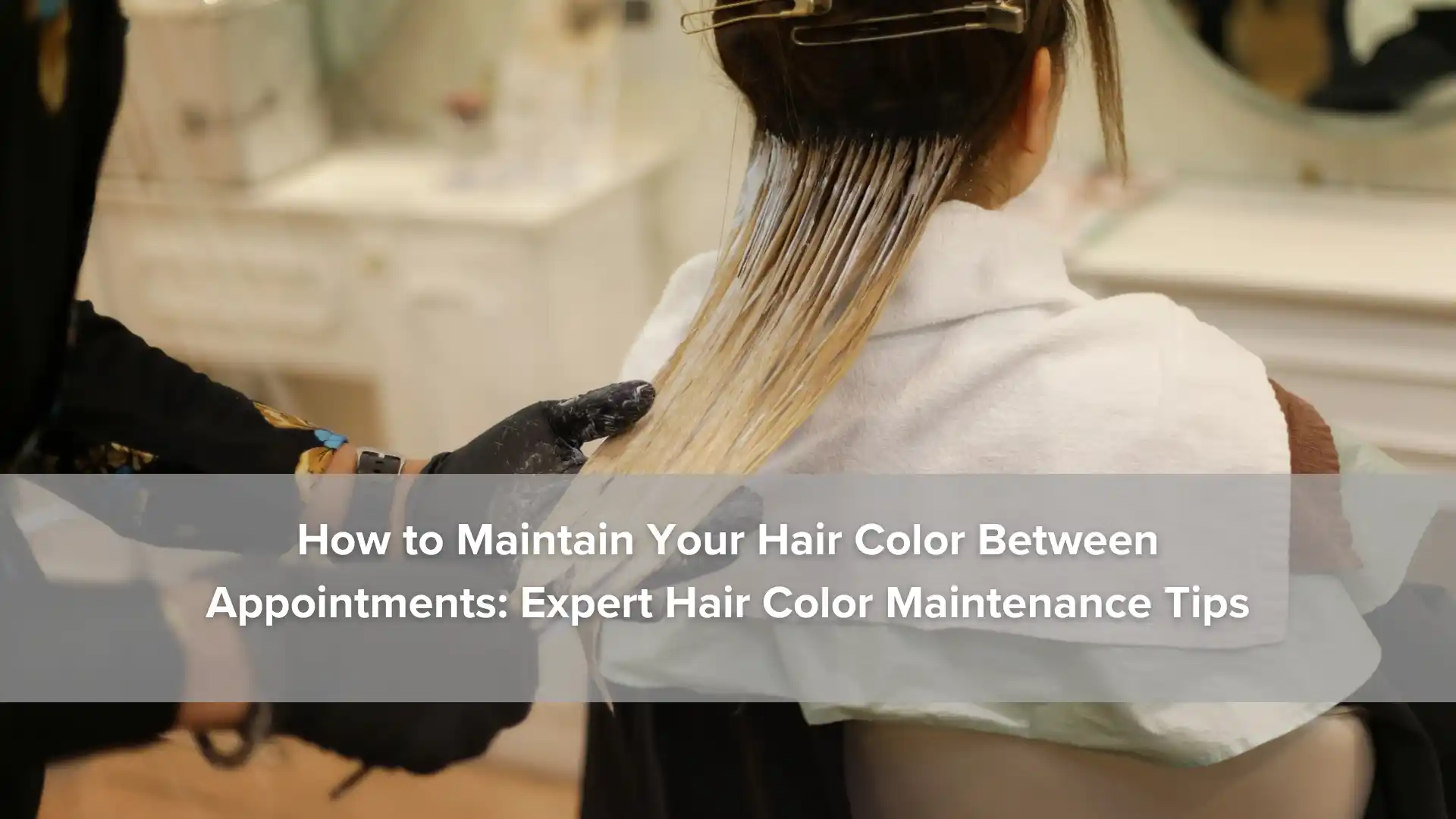
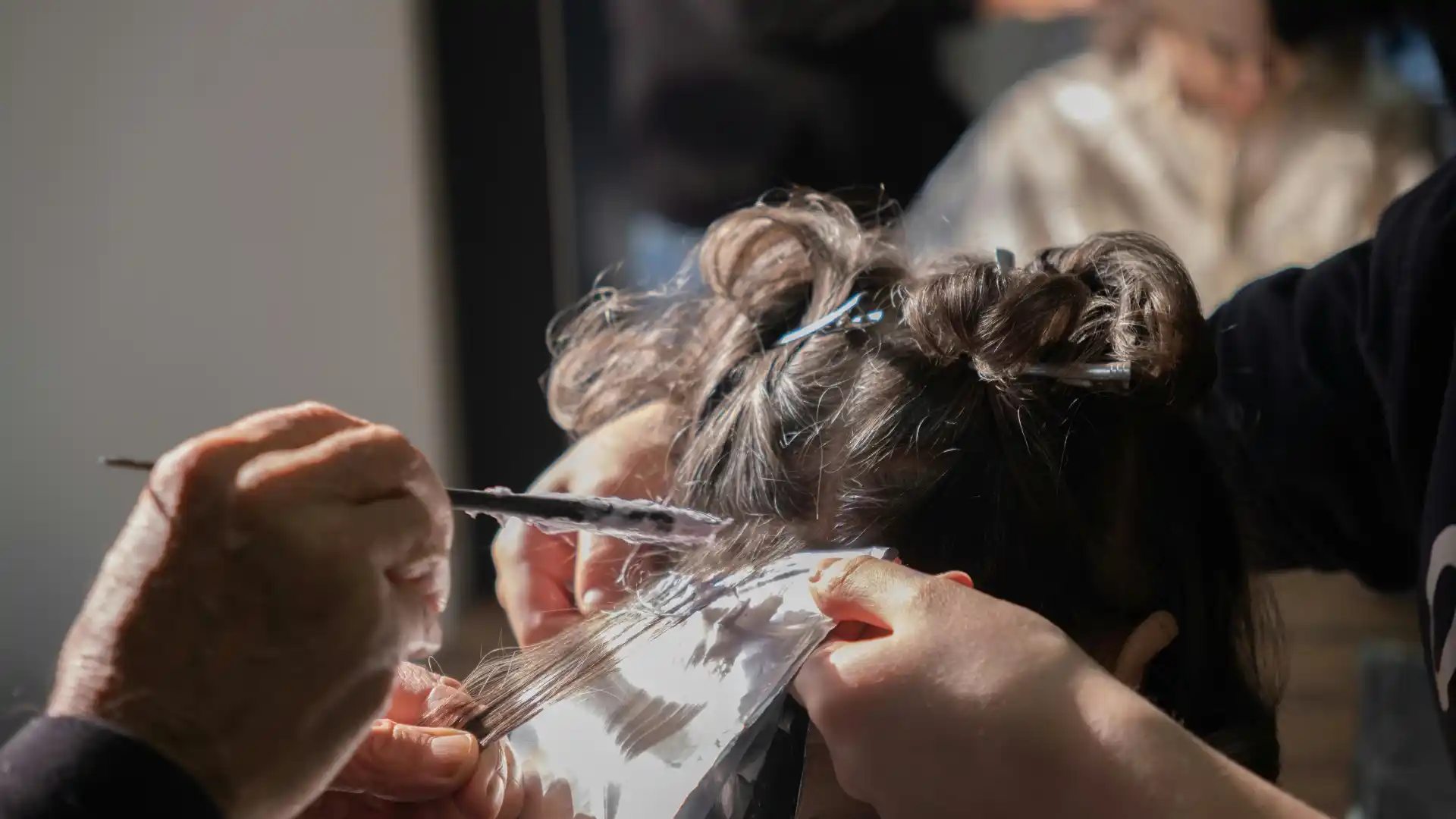
hair coloring process with foils and bleachIf you’re looking at the price tag for professional color correction and wondering if it’s really worth it, the answer is a resounding yes. Here’s why:

Expertise & Skill That Prevents Further Damage

Color correction is not a DIY project. Attempting to fix a color mistake at home often makes things worse—sometimes dramatically worse. Professional colorists have:

  • Years of training in color theory, chemistry, and application techniques
  • Experience with hundreds of different hair types and color scenarios
  • Knowledge of which products work best for specific situations
  • The ability to assess damage and determine if hair can safely undergo correction

When you choose a professional like our Master Colorists at Therapy Hair Studio, you’re paying for expertise that protects your hair and ensures results. Professional expertise in hair color correction is what separates salon results from at-home disasters.

Time & Multiple Sessions vs. DIY Shortcuts

Professional color correction takes time—sometimes hours, and often multiple sessions spread over weeks or months. This isn’t because your colorist is slow; it’s because rushing color correction leads to damage and poor results.

Why multiple sessions?

  • Hair needs recovery time between chemical treatments
  • Gradual lightening is safer than trying to achieve dramatic results in one appointment
  • Toning and re-coloring may require separate sessions to achieve the perfect shade
  • Hair health assessment between sessions ensures you’re ready for the next step

Yes, this means more appointments and more time investment. But it also means your hair stays healthy, and you get the results you want. That’s worth the investment.

Quality Products & Customized Solutions

Professional salons use high-quality, professional-grade products that aren’t available at drugstores. These products:

  • Are formulated for specific hair types and conditions
  • Contain better pigments that last longer and look more natural
  • Include conditioning agents to minimize damage during processing
  • Are mixed and customized for your specific hair and goals

At Therapy Hair Studio, we invest in the best products because we know they make a difference in the final result. Our diverse, internationally trained team brings expertise from around the world, ensuring we have access to the best techniques and products available.

The Cost of Mistakes

Consider the alternative: attempting color correction at home or at a less experienced salon. The potential costs include:

  • Severe hair damage requiring extensive repair or cutting off inches
  • Unsatisfactory results requiring multiple correction attempts
  • Time and money wasted on products and services that don’t work
  • Loss of confidence in your appearance

One of our clients, Rachel M., shared her experience: “This place is pretty pricey, but I think it’s worth the quality experience.” She came in for a major haircut and color transformation and left thrilled with the results. That’s the value of professional color correction.

Preparing for Your Color Correction Appointment

To get the best results from your color correction service, preparation is key. Here’s what you should do before your appointment:

Before Your Appointment

  • Schedule a consultation first. Don’t jump straight into color correction. Come in for a consultation so your colorist can assess your hair and discuss your goals. This is especially important if you have significant damage or buildup.
  • Bring inspiration photos. Collect 3-5 photos of the hair color you want. Pinterest, Instagram, and celebrity photos are great sources. This helps your colorist understand your vision.
  • Be honest about your hair history. Tell your colorist about all previous colors, treatments, and when they were done. This information is crucial for determining the best approach.
  • Avoid washing your hair 2-3 days before. Natural oils protect your scalp and hair during color processing. Come in with slightly dirty hair for the best results.
  • Deep condition the week before. If your hair is already damaged, start conditioning treatments a week before your appointment to improve its condition.
  • Wear comfortable clothing. Color correction appointments can be long (2-4 hours or more). Wear something comfortable that you don’t mind getting product on.

What to Expect at Therapy Hair Studio

When you arrive at our salon in Houston’s prestigious Galleria area, you’ll be greeted warmly by our receptionists. As one client shared, “It’s nice to have the receptionists remember you by name, as you walk in, greeting you with a warm smile.”

You’ll be offered champagne, wine, tea, or a cappuccino while you settle in. Our stylists will then begin the consultation and color correction process, keeping you informed every step of the way. Our Master Colorists like Bryan Nguyen and Elia Graves take pride in explaining what they’re doing and why, so you feel confident and informed throughout your appointment.

Aftercare & Maintaining Your Corrected Color

Your color correction appointment is just the beginning. How you care for your hair after the service determines how long your results last and how healthy your hair remains.

Immediate Aftercare (First 48-72 Hours)

  • Don’t wash your hair for at least 48-72 hours after color correction. This allows the color to fully settle and develop.
  • Avoid heat styling if possible. Let your hair air dry to minimize stress on freshly corrected strands.
  • Skip the gym and swimming. Chlorine and sweat can affect your new color. Wait at least 48 hours before intense exercise or swimming.

Long-Term Color Maintenance

Use color-safe products:

Invest in a color-safe shampoo and conditioner. Regular shampoos can strip color and cause fading.

Look for sulfate-free formulas, which are gentler on colored hair.

Protect from UV damage:

UV rays fade hair color and can cause brassy tones to develop. Use a leave-in conditioner with UV protection, or wear a hat when spending time in the sun. Learn more about how to protect hair from sun damage.

Deep condition regularly:

Color-corrected hair has been through chemical processing and needs extra moisture. Deep condition 1-2 times per week.

Minimize heat styling:

Heat can fade color and cause damage. When you do use heat tools, always use a heat protectant spray first.

Schedule regular touch-ups:

Depending on your color and how fast your hair grows, you may need touch-ups every 4-8 weeks. Your colorist will recommend a schedule based on your specific situation.

Therapy Hair Studios Maintenance Support

At Therapy Hair Studio, we don’t just send you out the door with beautiful color—we teach you how to maintain it. Our stylists will provide personalized recommendations for at-home care, including:

  • Specific product recommendations tailored to your hair type and color
  • Styling techniques to keep your color looking fresh between appointments
  • Maintenance schedules so you know when to come back for touch-ups

We also offer naturally derived hair and scalp treatments to keep your hair healthy and vibrant. As one of our long-time clients, Margaret S., shared: “Victoria has been my colorist and stylist for four years and I can not describe how marvelous I feel and spectacular I look when I exit their salon.”

Why Choose Therapy Hair Studio for Color Correction?

When it comes to color correction in Houston, Therapy Hair Studio stands out for our expertise, experience, range of services, and much more. 

Master Colorists with International Expertise

Our team includes Master Colorists like Bryan Nguyen and Elia Graves, who bring years of experience and international training to every color correction service. We also have specialists like Kelsey Champion, Karla Godinez, and Erin Conley, each bringing their own expertise and creative vision to color work.

Our diverse, internationally trained team—with stylists from Australia, Mexico, and beyond—brings a wealth of perspectives and techniques to the salon. This means you benefit from world-class color correction expertise.

17+ Years of Experience in Houston

Since 2008, Therapy Hair Studio has been Houston’s go-to salon for precision haircuts, custom coloring, and transformative styling. We’ve built a reputation for excellence, and our loyal clients keep coming back year after year. Learn more about our salon’s history and team.

Personalized Consultations for Complex Cases

We don’t believe in one-size-fits-all color correction. Every client’s hair is unique, and every color correction scenario is different. That’s why we require in-salon consultations for color correction services. This allows our colorists to assess your specific situation and create a customized plan for your hair.

Full-Service Salon for Complete Hair Health

Color correction is just one piece of the puzzle. If your hair has been damaged by previous coloring, we can address that too. Our stylists, like Dale Tu (a Brazilian Blowout and Keratin specialist), can combine color correction with hair repair treatments to ensure your hair looks and feels beautiful.

We also offer:

  • Scalp treatments to nourish and protect your scalp after chemical processing
  • Hair extensions if you need length or volume while your hair recovers
  • Keratin treatments to smooth and strengthen damaged strands
  • Deep conditioning treatments using naturally derived products

Luxury Experience That Makes You Feel Pampered

Color correction appointments can be long, but at Therapy Hair Studio, you’ll spend that time in comfort and style. Enjoy champagne, wine, tea, or a cappuccino while our stylists work their magic. Our salon atmosphere is designed to be relaxing and rejuvenating—a true escape from the everyday.

As one client shared: “I always look forward to coming here to get my hair done… The ladies who wash hair are fantastic, I could lay there forever as they massage my scalp.”

Frequently Asked Questions About Color Correction

How long does color correction take?

Color correction typically takes 2-4 hours, depending on the complexity of your situation. Some cases may require multiple sessions spread over several weeks.

How many sessions will I need for color correction?

This depends on your hair’s current condition and your goals. Some corrections can be done in one session, while others require 2-3 sessions to safely achieve the desired result without damaging your hair.

Can color correction damage my hair?

Professional color correction, when done by an experienced colorist, minimizes damage. However, any chemical process carries some risk. This is why choosing a skilled professional and following aftercare instructions is so important.

What’s the difference between color correction and toning?

Toning is one step in the color correction process. Toning neutralizes unwanted tones (like brassy yellows), while color correction is the broader process of fixing color problems, which may include removal, lightening, toning, and re-coloring.

How much does professional color correction cost?

Color correction pricing varies based on the complexity of your situation, the length and thickness of your hair, and the number of sessions needed. At Therapy Hair Studio, we require an in-salon consultation to provide an accurate quote. Our starting prices for color services include Single Process Color ($125+), Highlights ($185+), and Balayage ($215+), but color correction may cost more depending on your specific needs.

Can I do color correction at home?

We strongly advise against DIY color correction. The risks of further damage, uneven results, and unsatisfactory outcomes are high. Professional color correction is an investment in your hair’s health and beauty.

How do I maintain my corrected color?

Use color-safe products, protect your hair from UV damage, deep condition regularly, minimize heat styling, and schedule regular touch-ups as recommended by your colorist.

What should I bring to my color correction consultation?

Bring inspiration photos of the color you want, be prepared to discuss your hair history, and wear comfortable clothing. Your colorist will handle the rest!

Your Hair Deserves Professional Color Correction

If you’re dealing with a hair color mistake, buildup, damage, or simply want to transform your look, professional color correction is the solution. It’s an investment in your hair’s health and your confidence—and it’s absolutely worth it.

At Therapy Hair Studio, our Master Colorists are ready to transform your hair color dreams into reality. With 17+ years of experience, a diverse team of international stylists, and a commitment to personalized, luxury service, we’re Houston’s premier choice for color correction.

Ready to schedule your color correction consultation? Contact us today:

📞 (713) 355-4247

📍 2727 Saint St, Houston, TX 77027

🌐 Contact Therapy Hair Studio

Business Hours:

Tuesday–Thursday: 9:00 AM – 6:00 PM

Friday–Saturday: 9:00 AM – 5:00 PM

Sunday–Monday: Closed

Let Therapy Hair Studio bring out your unique inner beauty through expert color correction and personalized care. Your best hair is waiting.


How to Care for Hair with a Busy Lifestyle: Simple Routines That Actually Work


How to Care for Hair with a Busy Lifestyle_ Simple Routines That Actually Work Image

Life moves fast, especially for busy professionals, working parents, and anyone juggling multiple responsibilities. Hair care often takes a backseat to work deadlines, family commitments, and personal obligations. But here’s the truth: maintaining healthy, beautiful hair doesn’t require hours of dedication. With the right approach, simplified routines, and professional guidance, you can keep your locks looking flawless even during your busiest seasons. In this guide, we’ll share expert tips on how to care for hair with a busy lifestyle—strategies that work for Houston professionals and anyone managing a hectic schedule.

Why Hair Care Matters, Even When Life Gets Hectic

You might think that skipping your hair care routine is a time-saver, but neglecting your hair often leads to more problems down the road: breakage, split ends, dull appearance, and the need for more intensive (and time-consuming) treatments later. According to hair care professionals, maintaining a consistent—but simplified—routine actually saves time in the long run.

The key is understanding that hair care for busy people isn’t about complexity; it’s about strategy. When you work with your hair type, use the right products, and establish a streamlined routine, you can maintain gorgeous hair in just 5-10 minutes daily. This is especially true when you partner with professional stylists who understand your lifestyle and can recommend cuts, treatments, and techniques specifically designed for busy professionals.

Assess Your Hair Type and Current Routine

Understanding Your Hair’s Unique Needs

Before creating an effective hair care routine, you need to understand your hair’s specific needs. Hair type varies widely—some people have straight hair, others have waves, curls, or coils. Your scalp condition also matters: it might be oily, dry, or a combination. Learn more about understanding hair type and texture.

Identifying your hair type helps you choose the right products and techniques that actually work for you, rather than wasting time and money on products that don’t match your hair’s needs. For example, someone with thick, wavy hair needs different products than straight hair. Similarly, an oily scalp requires different care than a dry scalp.

Take a moment to assess your hair honestly. Does it become greasy quickly? Does it feel dry or brittle? Does it tend to frizz easily? Once you understand your hair’s characteristics, you can efficiently build a routine that addresses these specific concerns. Specialized products and techniques can make a significant difference for those dealing with frizzy hair.

The 5-Minute Daily Hair Care Essentials

For busy professionals, a quick daily routine is essential. Here’s what you need to know:

Morning Routine (2-3 minutes):

  • Use dry shampoo on roots if needed (extends time between washes)
  • Apply leave-in conditioner to mid-lengths and ends
  • Style quickly with minimal heat (or use heatless methods like braids or buns)
  • Use a heat protectant spray if blow-drying

Evening Routine (2-3 minutes):

  • Gently massage your scalp for circulation
  • Apply leave-in conditioner or lightweight oil to ends
  • Braid or loosely bun hair to prevent breakage overnight
  • Sleep on a silk or satin pillowcase to reduce friction

The beauty of this routine is that it requires minimal products and time, yet it keeps your hair healthy and polished. Leave-in conditioners are particularly valuable for busy people because they provide moisture without requiring a rinse-out step. For more detailed guidance, explore our hair care basics.

Strategic Wash Day Planning for Maximum Results

Creating Your Dedicated Hair Wash Day

Rather than washing your hair daily (which strips natural oils and requires more styling time), busy professionals benefit from designating one or two “wash days” per week. Most people find that washing every 2-3 days works well, though this depends on your hair type and scalp condition. For guidance on proper wash frequency, consult with a professional stylist.

On wash day, maximize your results:

  • Pre-shampoo treatment: Apply a conditioning mask or oil to dry hair 15-30 minutes before shampooing. This protects your hair and enhances moisture.
  • Proper cleansing: Use a sulfate-free shampoo and focus on the scalp—condition from mid-length to ends.
  • Deep conditioning: Apply a deep conditioning treatment and leave it on for 10-15 minutes (or longer). This is the perfect time to multitask—catch up on emails or relax.
  • Scalp massage: During conditioning, massage your scalp to improve circulation and promote healthy hair growth. Learn more about scalp treatment benefits.

Concentrating your hair care efforts on designated wash days reduces daily styling time while still maintaining healthy hair. This strategy works particularly well for those with thick, wavy hair or textured styles.

Protective Styles That Maintain Hair Health

Protective styles are a game-changer for busy people. These low-manipulation hairstyles protect your hair from breakage while looking polished and professional. Whether you’re interested in braids, buns, or other updos, protective styling is essential for hair health.

Best protective styles for busy lifestyles:

The advantage of protective styles is that you can wear them for multiple days without restyling, saving significant time. They also reduce daily manipulation, which means less breakage and healthier hair overall. For special occasions, consider wedding hairstyles that incorporate protective styling principles.

Overnight hair care: Sleep on a silk or satin pillowcase (or use a silk bonnet) to reduce friction and prevent breakage. This simple step protects your hair while you sleep and helps your style last longer.

Brilliant Product Selection for Time-Strapped Professionals

Not all hair products are created equal, especially for busy people. Here’s what to prioritize:

Leave-in conditioners: These are essential for busy lifestyles. They provide moisture and protection without requiring a rinse-out step. Apply to damp hair after showering or quickly refresh between washes. Explore our salon product recommendations.

Dry shampoo: This product extends time between washes by absorbing oil at the roots. It’s a time-saver that allows you to go longer between wash days while maintaining a fresh appearance.

Multi-purpose products: Look for products that serve multiple functions—a leave-in conditioner with heat protection, for example, or a styling cream that also conditions. Heat protectant sprays are essential for those using heat styling tools.

Quality matters: Investing in quality products often saves time in the long run. Professional-grade products typically work more effectively, meaning you need less product and see better results faster.

Nutrition and Hydration: The Foundation of Healthy Hair

How to Care for Hair with a Busy Lifestyle_ Simple Routines That Actually Work Image 2Healthy hair starts from within. No matter how perfect your external routine is, your hair won’t thrive without proper nutrition and hydration.

Key nutrients for hair health:

  • Biotin: Supports hair strength and growth
  • Omega-3 fatty acids: Promote scalp health and shine
  • Vitamins A, C, D, and E: Protect hair and support growth
  • Protein: Hair is made of protein, so adequate intake is essential
  • Iron and zinc: Support hair growth and prevent hair loss

Hydration: Drink plenty of water throughout the day. Proper hydration supports overall health, including hair health.

For busy professionals, consider a quality multivitamin or hair-specific supplement to ensure you’re getting these nutrients, especially if your schedule makes it challenging to maintain a perfectly balanced diet. Proper nutrition works with professional treatments like Brazilian blowouts to keep hair looking its best.

Why Choose Therapy Hair Studio for Hair Care with a Busy Lifestyle

If you’re in Houston or the surrounding areas, Therapy Hair Studio understands the unique challenges busy professionals face regarding hair care. Located in Houston’s prestigious Galleria area at 2727 Saint St., Therapy Hair Studio has transformed the hair salon experience since 2008. Visit Therapy Hair Studio‘s about us page to learn more about our mission and values.

Here’s why busy professionals choose Therapy Hair Studio:

Expert stylists who get it: Co-founders David Bamford and Luis Perez, along with their talented team (including stylists like Casey, Suli, Kelsey, and Jahan), specialize in creating looks that work for busy lifestyles. They understand that your haircut needs to look polished with minimal daily styling. Meet our professional stylists.

Precision cuts that save time: A well-executed haircut from an expert stylist requires minimal daily styling. The team at Therapy Hair Studio creates cuts tailored to your hair type and lifestyle, so you spend less time styling and more time living. Explore our haircut services and discover best haircuts for every face shape.

Professional treatments that last: Services like Brazilian blowouts and professional color treatments last longer, reducing the frequency of salon visits. Learn about how to make a Brazilian blowout last longer. Hair extensions can also be customized for busy professionals who want versatility without daily styling demands. Discover the best extensions for growing out hair.

Personalized styling tips: The stylists at Therapy Hair Studio don’t just cut and color your hair—they teach you techniques to maintain your style at home. As one client noted, “She also gave me styling tips, which I really appreciated.” For professional guidance on how to blow dry hair for salon-worthy results, our stylists are here to help.

Convenient location and scheduling: Located in the Galleria area with flexible appointment times, Therapy Hair Studio makes it easy to fit professional hair care into your busy schedule. Check our services page for availability.

Scalp care and relaxation: The team provides expert scalp massages during wash services, turning your salon visit into a therapeutic experience. As one long-time client shared, “Mary washes my hair and massages my scalp so well I doze off.”

Bridal and special occasion services: Whether you need elegant updos, hair extensions for a special event, or professional makeup services, Therapy Hair Studio has you covered. Learn more about our bridal hair and makeup services and explore wedding hairstyle options.

Ready to transform your hair care routine? Call Therapy Hair Studio at [phone-number linked=true] to schedule your appointment. Whether you need a precision cut, professional color, or expert advice on maintaining your style at home, the team is ready to help you achieve beautiful hair—even with a busy lifestyle.

FAQs

Q: How often should I wash my hair if I have a busy lifestyle?

A: Most busy professionals benefit from washing every 2-3 days. This frequency preserves your hair’s natural oils, reduces styling time, and keeps your hair healthier overall. However, the ideal frequency depends on your hair type and scalp condition. Consult with a professional stylist to determine what works best for you.

Q: What’s the best protective style for someone with a hectic schedule?

A: Low-manipulation styles like loose braids, buns, or twists are ideal. These styles protect your hair from breakage, look professional, and can be worn for multiple days without restyling. Sleeping on a silk pillowcase also protects your hair overnight. Learn more about protective styling techniques.

Q: Can I maintain healthy hair without spending hours on it?

A: Absolutely! With the proper routine, products, and professional guidance, you can maintain beautiful, healthy hair in just 5-10 minutes daily. The key is working with your hair type and using efficient products and techniques. Our hair care basics guide provides detailed strategies.

Q: What products should busy people prioritize?

A: Leave-in conditioners, dry shampoo, and heat protectant sprays are essentials for busy lifestyles. These multi-purpose products save time and protect your hair. Investing in quality, professional-grade products often saves time in the long run. Check out our salon product recommendations.

Q: How can a professional haircut help with a busy lifestyle?

A: A precision cut from an expert stylist requires minimal daily styling and looks polished with minimal effort. Stylists at Therapy Hair Studio create cuts specifically designed for your hair type and lifestyle, reducing daily styling time significantly. Explore best haircuts for every face shape.

Q: Is nutrition essential for hair health?

A: Yes! Biotin, omega-3 fatty acids, and vitamins A, C, D, and E support hair strength, growth, and shine. Proper hydration and adequate protein intake are also essential. While a balanced diet is ideal, a quality supplement can help ensure you’re getting these nutrients.

Q: What’s the difference between regular and Brazilian blowouts?

A: A Brazilian blowout is a semi-permanent smoothing treatment that lasts 8-12 weeks. It reduces frizz, adds shine, and requires minimal daily styling. Regular blowouts are temporary styling services. For busy professionals, Brazilian blowouts can be a game-changer because they reduce daily styling time significantly. Learn more about Brazilian blowout aftercare and how to make a Brazilian blowout last longer.

Q: How do I find time for regular trims with a busy schedule?

A: Schedule trims every 6-8 weeks as part of your routine. Many salons, including Therapy Hair Studio, offer convenient appointment times for busy professionals. Regular trims prevent split ends and keep your hair looking healthy and polished. Learn about how to keep your hair healthy and free of split ends.


8 Color-Treated Hair Myths Debunked: What You Really Need to Know

8 Color-Treated Hair Myths Debunked_ What You Really Need to Know Image

Why Color-Treated Hair Myths Matter

When it comes to color-treated hair, myths spread faster than a fresh balayage. From claims that all color damages hair to warnings that you’ll be locked into a lifetime of touch-ups, myths about color-treated hair can prevent people from achieving the look they’ve always wanted. At Therapy Hair Studio in Houston, our master colorists have spent over 17 years separating fact from fiction, helping thousands of clients maintain beautiful, healthy colored hair.

The truth is, many of these myths are outdated. Modern hair color formulas have evolved dramatically, professional techniques have become more sophisticated, and the right aftercare can keep your colored hair looking vibrant and healthy. Whether you’re considering your first color service or you’re a longtime color enthusiast, understanding the real facts about color-treated hair will help you make informed decisions about your hair care.

Myth #1: “Hair Coloring Always Damages Your Hair”

The Truth: Modern hair color formulas have evolved significantly, and when applied by professionals using quality products, coloring doesn’t have to damage your hair.

This is perhaps the most pervasive myth about hair coloring, and it’s understandable why people believe it. Decades ago, hair color formulas were harsh and often left hair dry and brittle. But today’s professional-grade color products are formulated with conditioning agents, proteins, and nourishing ingredients that actually help protect your hair during the coloring process.

The key difference lies in professional application versus at-home coloring. Professional colorists like those at Therapy Hair Studio understand hair structure, porosity, and how different formulas interact with various hair types. They know exactly how long to process color, which products to use, and how to minimize stress on your strands. Additionally, professional salons use premium products that are unavailable in drugstore boxes.

Proper aftercare is equally important. Using color-safe shampoo and conditioner, minimizing heat styling, and getting regular deep conditioning treatments will keep your colored hair healthy and strong. Many of our clients at Therapy Hair Studio have maintained beautiful color for years without experiencing damage—because they’re using the right products and techniques. Learn more about how to keep hair color from fading with our comprehensive guide.

Myth #2: “Lightening Hair Is More Damaging Than Darkening”

The Truth: Both lightening and darkening require proper technique and care. The damage potential depends on the method, the starting hair color, and the desired result—not simply whether you’re going lighter or darker.

This myth persists because lightening hair does require lifting the hair’s natural pigment, which involves more chemical processing than simply depositing color. However, this doesn’t automatically mean it’s more damaging. Modern lightening techniques like balayage and highlights are designed to minimize damage by only processing specific sections of hair rather than the entire head.

Darkening hair can also cause issues if not done correctly. Applying dark color to previously lightened hair, for example, can result in over-processing if the colorist doesn’t account for the hair’s current condition. Additionally, very dark colors can be difficult to remove or lighten later, potentially requiring more processing down the road.

The real factor isn’t whether you’re going lighter or darker—it’s whether your colorist understands your hair’s unique needs and uses appropriate techniques and products. At Therapy Hair Studio, our master colorists assess each client’s hair condition before recommending a color service, ensuring the best possible outcome regardless of whether you’re lightening or darkening your hair. Discover the difference between balayage and highlights to find the right technique for you.

Myth #3: “Colored Hair Always Looks Fake or Dull”

The Truth: Modern color techniques create natural-looking, dimensional results when applied by skilled professionals using quality products and proper color theory.

If you’ve seen obviously fake-looking colored hair, it was likely the result of poor color selection, improper application, or low-quality products—not a limitation of hair coloring itself. Today’s color techniques are incredibly sophisticated, allowing colorists to create depth, dimension, and movement that looks completely natural.

Balayage, for example, is a hand-painted highlighting technique that creates sun-kissed, lived-in color that looks like your hair naturally lightened over time. Ombré and sombre techniques create beautiful gradients. Even solid color applications can look incredibly natural when the right shade is chosen for your skin tone and the formula includes conditioning agents that maintain shine.

The dullness myth often stems from improper aftercare. Colored hair can look dull if you’re using regular shampoo (which strips color), not conditioning regularly, or exposing your hair to excessive heat and sun. Color-safe products are specifically formulated to maintain vibrancy and shine. At Therapy Hair Studio, we don’t just give you beautiful color—we teach you how to maintain it at home so it continues looking fresh and dimensional between appointments. Our hair care basics guide provides expert tips for maintaining your color.

Myth #4: “You Can’t Stop Coloring Once You Start”

The Truth: Your hair doesn’t “need” continuous coloring. Growing out color is absolutely possible, and strategic techniques make the transition easier and more attractive.

This myth likely originated from the idea that once you color your hair, the regrowth will be noticeable and require frequent touch-ups. While it’s true that regrowth becomes visible over time, this doesn’t mean you’re locked into coloring forever. Many people successfully grow out their color using strategic approaches.

Low-maintenance color trends like balayage and lived-in color are specifically designed to blend regrowth beautifully. These techniques place lighter pieces throughout your hair in a way that makes the transition between colored and natural hair less obvious. Some clients intentionally maintain this look for years because they love how it looks and requires fewer touch-ups than traditional all-over color. Explore balayage hair: the ultimate guide to learn more about this versatile technique.

If you decide to stop coloring entirely, your colorist can help you plan a transition strategy. This might involve gradually shifting to a color closer to your natural shade, using strategic placement to blend regrowth, or simply letting your natural color grow in while maintaining the health and style of your hair. The choice is entirely yours—coloring is a commitment you can make or break whenever you want.

Myth #5: “At-Home Coloring Is Just as Good as Salon Coloring”

The Truth: Professional colorists have advanced training, expertise, and access to premium products that simply aren’t available in retail boxes. The results—and long-term health of your hair—reflect this difference.

While drugstore hair color has improved over the years, it cannot compare to professional salon color. Here’s why: Professional colorists undergo extensive training in color theory, hair structure, and application techniques. They understand how to assess your hair’s porosity, determine the right developer strength, and apply color evenly for consistent results.

Professional-grade color products are formulated differently from retail products. They contain higher quality ingredients, better conditioning agents, and more precise pigment formulations. Salon colorists also have access to a much wider range of shades and can custom-mix colors to achieve exactly the result you want. Our Houston hair salon uses only premium professional products.

At-home coloring carries significant risks: uneven color application, over-processing, damage to previously colored hair, and results that don’t match your expectations. Many clients come to Therapy Hair Studio after attempting at-home color, requiring corrective color services that cost more than a professional color service would have in the first place. The investment in professional color pays off in better results, healthier hair, and longer-lasting color. Learn why 4 reasons a professional needs to color your hair matter for your hair’s health.

Myth #6: “Colored Hair Requires Constant Maintenance”

The Truth: Maintenance requirements depend on your color type, technique, and the shade you choose. With the right products and care routine, you can extend the time between appointments significantly.

Not all colored hair requires the same level of maintenance. A balayage with subtle highlights might only need a touch-up every 3-4 months, while a solid dark color might show regrowth more quickly. The key is choosing a color and technique that suits your lifestyle and maintenance preferences. Understanding how often you should get your hair cut also helps with overall hair health.

Color-safe products are essential for extending the life of your color. These shampoos and conditioners are formulated to be gentler on color molecules, helping them stay in your hair longer. Minimizing heat styling, protecting your hair from sun exposure, and getting regular deep conditioning treatments also help maintain color vibrancy. Our guide on how often to wash your hair provides personalized recommendations.

Many clients are surprised to learn that they don’t need to wash their hair as frequently as they thought. Washing colored hair just 1-2 times per week with color-safe products and using dry shampoo between washes can significantly extend the life of your color. At Therapy Hair Studio, we provide personalized guidance on maintaining your specific color between appointments, so you can enjoy beautiful color without feeling like you’re constantly in the salon.

Myth #7: “Hair Loss Is Caused by Coloring”

The Truth: There’s an important distinction between hair loss and breakage. Properly applied professional color does not cause hair loss, though improper application or allergic reactions (which are rare) could potentially cause scalp irritation.

This myth confuses hair loss with breakage. Hair loss occurs when hair falls out from the root, while breakage occurs when the hair shaft breaks. Professional hair coloring does not cause hair loss. The color formula doesn’t affect the hair follicle or root; it only affects the hair shaft itself. Understanding different types of split ends helps distinguish between damage types.

Breakage can occur if hair is over-processed or if someone has a severe allergic reaction to color, but these are rare with professional application. Professional colorists perform patch tests before coloring to check for allergic reactions. They also assess your hair’s condition and won’t proceed with coloring if your hair is too damaged to safely process.

The confusion might also stem from the fact that some people experience temporary shedding after a stressful event (like a chemical service), but this is not the same as hair loss caused by coloring. If you’re concerned about hair loss, a dermatologist can help determine the actual cause. At Therapy Hair Studio, we prioritize your hair’s health and will never recommend a service that could compromise it. Learn about how to protect hair from sun damage to maintain color vibrancy.

Myth #8: “Brassiness Is Unavoidable in Colored Hair”

The Truth: Brassiness is preventable and manageable with proper shade selection, toning products, and professional maintenance. It’s not an inevitable part of having colored hair.

Brassiness—that unwanted orange or yellow tone that can develop in lightened or blonde hair—is one of the most common complaints about colored hair. But here’s the good news: it’s completely preventable and manageable. Our guide on how often you should use purple shampoo as a blonde provides expert recommendations.

Professional colorists understand color theory and undertones. When selecting a shade for you, they consider not just the color you want, but also your skin tone, natural hair color, and how the shade will interact with your hair’s undertones. They might recommend a shade with cooler undertones to prevent brassiness from developing in the first place. Explore hair color ideas that complement your skin tone for personalized recommendations.

Toning shampoos and conditioners are specifically designed to neutralize brassy tones. Purple shampoo for blonde hair and blue shampoo for brunette hair deposit cool-toned pigment that counteracts warmth. Using these products 1-2 times per week can keep your color looking fresh and cool-toned.

If brassiness does develop, a professional gloss or toner appointment can quickly restore your color to its intended shade. Many of our clients at Therapy Hair Studio schedule regular gloss appointments every 4-6 weeks to maintain their color’s vibrancy and prevent brassiness from becoming an issue.

Why Choose Therapy Hair Studio for Color-Treated Hair

8 Color-Treated Hair Myths Debunked_ What You Really Need to Know Image 2Since 2008, Therapy Hair Studio has been transforming hair in Houston’s prestigious Galleria area. Our master stylists, David Bamford and Luis Perez, founded the salon with a commitment to providing precision cuts, color, and styling that help each client look and feel their absolute best. Learn more about choosing the best professional hair stylist for you.

Our team includes specialized colorists like Kelsey Champion, Victoria Souder, and Lilli, who have built loyal client bases through years of delivering exceptional color results. One client, Debbie P., has been coming to Lilli for color for 12 years and says she’s “never had anything less than perfection every single time.” Another long-time client, Margaret S., has been with colorist Victoria for four years and describes feeling “marvelous” and “spectacular” after every appointment. Read more testimonials from our satisfied clients.

What sets Therapy Hair Studio apart is our holistic approach to color. We do more than apply color and send you on your way — we evaluate your hair’s condition, discuss your goals and lifestyle, and choose the color technique that best suits you. Then, we show you how to care for your color at home. Our stylists use premium salon-grade products and advanced techniques to achieve results you won’t find anywhere else. Discover our hair color services and find the perfect solution for your needs.

Our salon experience is designed to be relaxing and enjoyable. Enjoy champagne, wine, tea, or a hot cappuccino while our expert colorists work their magic. We’re located at 2727 Saint St., Houston, TX 77027, and we’re ready to help you achieve the beautiful, healthy, colored hair you’ve always wanted. Visit our about us page to learn more about our salon’s philosophy and team.

Ready to experience Therapy Hair Studio‘s difference? Call us at (713) 355-4247 to schedule your color consultation today.

FAQs About Color-Treated Hair

Q: How often should I wash my colored hair?

A: We recommend waiting 48-72 hours after coloring before your first wash to allow the color to fully set. After that, wash your colored hair just 1-2 times per week using color-safe shampoo and conditioner. Use dry shampoo between washes to extend the time between washings and help maintain your color. Learn more about hair care basics for colored hair.

Q: What’s the best way to maintain my hair color between appointments?

A: Use color-safe shampoo and conditioner, minimize heat styling, protect your hair from sun exposure, and get regular deep conditioning treatments. Consider scheduling a gloss or toner appointment every 4-6 weeks to refresh your color and maintain vibrancy. At Therapy Hair Studio, we can recommend specific products and routines tailored to your color. Explore our color services for professional maintenance options.

Q: Can I color my hair if it’s already damaged?

A: It depends on the extent of the damage. Professional colorists can assess your hair’s condition and recommend treatments to restore health before coloring. In some cases, we might recommend waiting and doing restorative treatments first. We never recommend a color service that could compromise your hair’s health. Learn about how to keep your hair healthy and free of split ends.

Q: How long does hair color typically last?

A: This depends on the type of color: Semi-permanent color typically lasts 4-6 weeks, demi-permanent color lasts about 24 shampoos, and permanent color fades gradually over 4-6 weeks (though it doesn’t completely wash out). The longevity also depends on how often you wash your hair and the products you use. Discover how long will my balayage last for specific technique information.

Q: Is it safe to color hair frequently?

A: With proper products and professional application, yes. However, spacing out appointments when possible helps maintain your hair’s health. If you need frequent touch-ups, consider switching to a color technique like balayage that requires less frequent maintenance. Our balayage vs. traditional hair coloring guide explains the benefits.

Q: What should I do if my colored hair turns brassy?

A: Use a purple or blue toning shampoo (depending on your hair color) 1-2 times per week to neutralize brassy tones. If brassiness is severe, schedule a gloss or toner appointment with your colorist to quickly restore your color to its intended shade. Learn more about how often you should use purple shampoo as a blonde for professional recommendations.