

Come see us at our new location at 2727 Saint St., Houston, TX 77027
As Seen In
American Salon Houston Chronicle Houston Modern Luxury Vogue Allure

Hair Salon Blog: Essential Hair Care Tips and Insights

Hair Texture vs Textured Hair

Hair Texture vs Textured Hair

“Hair texture” and “textured hair” might sound like interchangeable terms, but they have distinct meanings in the hair care and styling industry.

Hair texture generally refers to the natural shape or pattern of your strands. There are several different categories of hair texture, such as straight, wavy, curly, and kinky or coily. Each texture has its own characteristics and requires different care and styling methods. Our hair texture is determined mainly by genetics but can be influenced by various factors like health, diet, and environment.

In contrast, textured hair refers to hair that has been texturized, cut, or treated to change its natural texture. Texturizing involves chemical processes like relaxing, perming, or other treatments that alter the hair’s natural pattern. Textured hair, in this context, is hair that has been intentionally modified to either soften tight curls, add curls or waves to straight hair, or create a specific look or style. 

What Can Textured Hair Do for My “Do”?

Textured hair treatments can significantly transform your hair’s look and feel, enhancing its style and manageability. These treatments aim to modify your hair’s natural texture, offering a range of styling possibilities and benefits. Here are some ways textured hair can change your look:

  • Softening Blunt Edges: If your current haircut feels a bit too blunt or rigid, texturizing can soften the edges, giving it a more natural and flowing appearance. This is ideal for those who want to add a subtle, effortless look to their hairstyle.
  • Enhancing Wash-and-Go Styles: Textured hair is often easier to style, especially after certain treatments. A textured hairstyle can simplify your daily regimen if you prefer a low-maintenance routine. It typically requires less styling time and can look great even with minimal effort.
  • Boosting Volume and Movement: Texturizing treatments can add volume and movement to hair that otherwise lies flat. This is particularly beneficial for those with fine or limp hair, as it creates an illusion of thickness and fullness.
  • Defining Curls and Waves: Texturizing treatments can define and enhance these patterns for those with natural curls or waves. This leads to more pronounced and bouncy curls or waves, adding a lively and dynamic look to your hairstyle.
  • Reducing Weight in Thick Hair: If you have thick, heavy hair, texturizing can remove some of the bulk, making your hair feel lighter and more manageable. This can also help you achieve a more shaped and styled look without the heaviness.
  • Creating a “Lived-In” Look: Texturized hair often has a more “lived-in” and relaxed appearance than non-textured hair. This is perfect for a casual, effortlessly chic style that doesn’t look overly styled or rigid.
  • Improving Styling Versatility: With added texture, your hair can become more versatile in terms of styling. It can hold styles better, whether you’re going for an updo, braids, or loose waves, giving you more options to play with. 

Why Is It Important to Know My Hair Texture?

Understanding your hair texture is key to optimizing the health and appearance of your hair. Different textures have unique characteristics and needs, so it’s essential to tailor your hair care accordingly. 

Straight Hair

Often seen as easy to manage, straight hair can range from fine and soft to thick and coarse. One of the main challenges with straight hair is its tendency to get oily quickly, as sebum from the scalp easily travels down the hair shaft. People with straight hair should focus on balancing scalp oil without over-drying the hair. Lightweight, volumizing products can add body and lift to straight hair. Regular washing with gentle shampoos and occasional clarifying treatments can maintain its health and shine. 

Wavy Hair

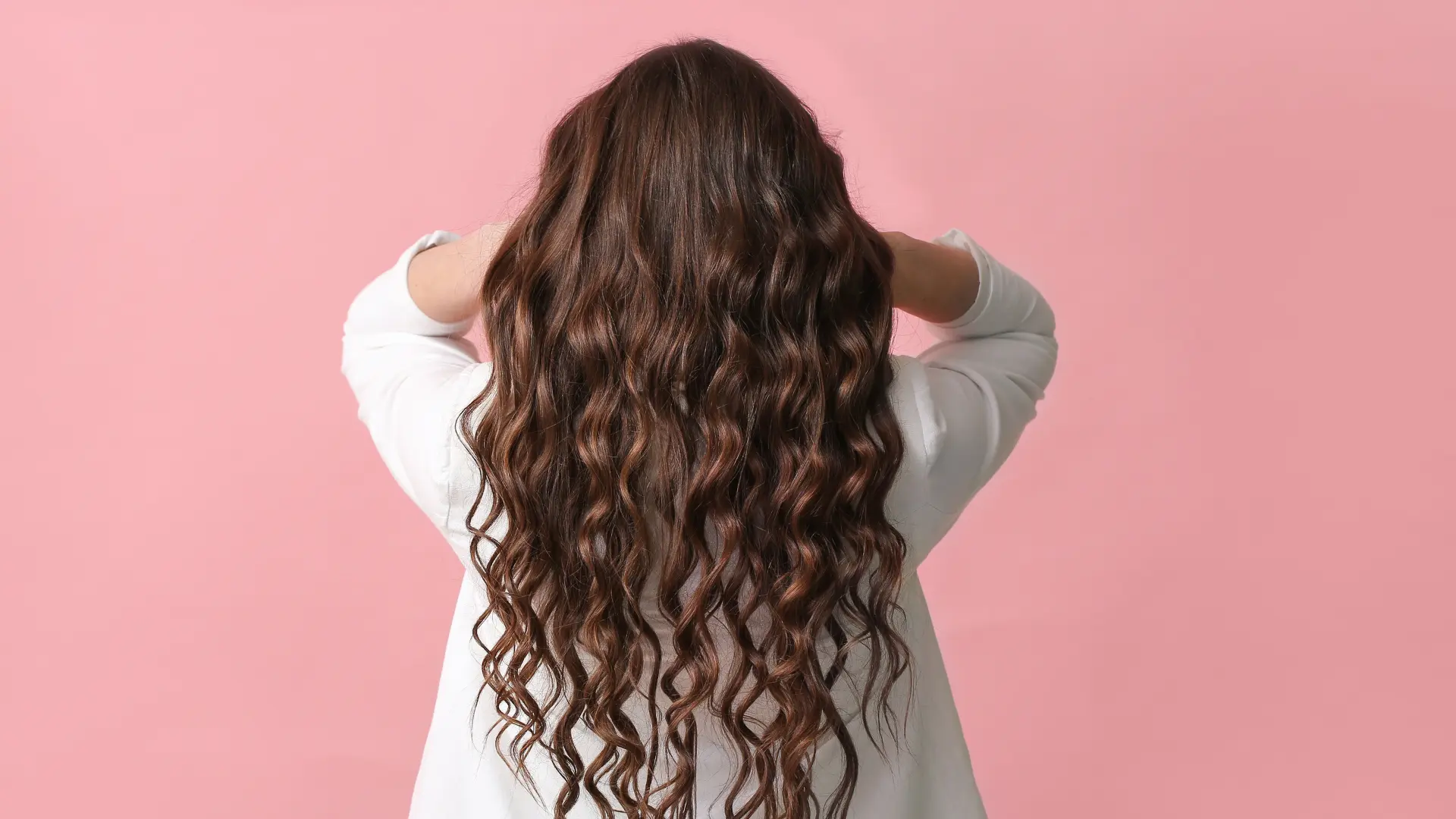
Wavy hair strikes a balance between straight and curly, often with a loose, S-shaped pattern. This texture can be prone to dryness and frizz, especially in humid conditions. Hydrating products are essential for wavy hair to maintain its natural bounce and definition. Sulfate-free shampoos, hydrating conditioners, and anti-frizz serums or creams can maintain texture while minimizing frizz. 

Curly Hair

Curly hair is known for its spirals and ringlets. It tends to be drier than straight hair because natural oils have a more challenging time traveling down the curls. Curly-haired individuals should focus on hydration and moisture retention. Deeply nourishing conditioners, leave-in treatments, and curl-defining creams can enhance the natural curl pattern while preventing dryness and breakage. It’s also important to minimize heat styling and harsh chemicals that can damage the curl structure in curly hair. 

Kinky or Coily Hair

This hair texture has a very tight curl pattern and is often quite delicate. Kinky hair is prone to dryness and breakage, so moisture is critical. Heavy creams, butters, and oils are beneficial for keeping the hair hydrated and strong. Protective styling is also essential to minimize damage and maintain hair health. Gentle detangling, deep conditioning treatments, and minimal manipulation preserve its natural beauty. 

Hair Care and Styling Notes for All Hair Types and Textures

Hair Texture vs Textured Hair

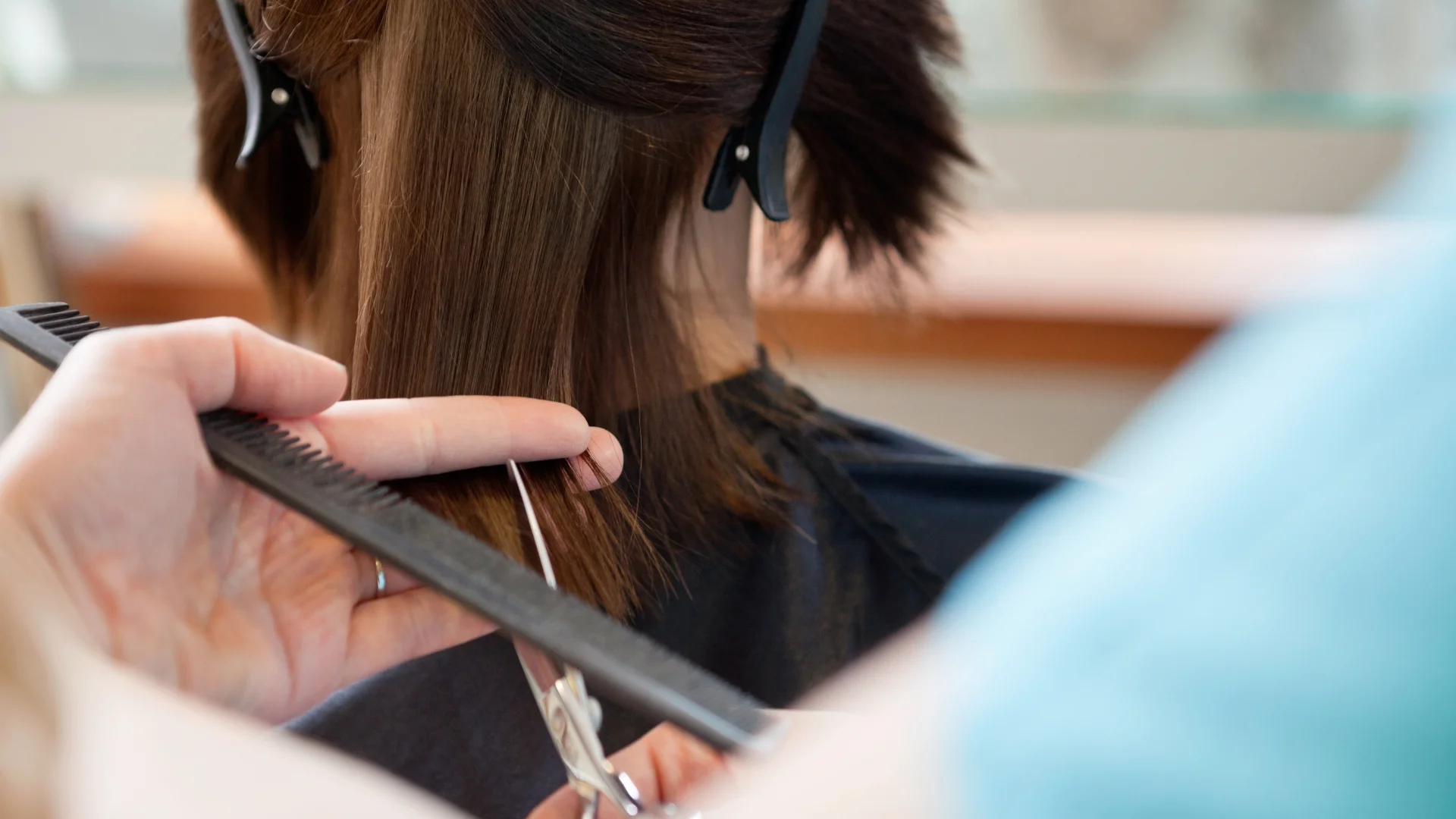
No matter your hair texture, always avoid over-washing, which can strip hair of its natural oils, and be gentle when brushing or styling to prevent breakage. Heat styling should be done sparingly and with proper heat-protectant products. Regular trims are also critical to maintaining healthy hair and preventing split ends.

Knowing your hair texture helps you choose the right products and styling methods, ensuring your hair remains healthy, manageable, and vibrant. It also guides you in developing a routine that caters to your hair’s specific needs, ultimately enhancing its natural beauty and strength. 

Embrace the Best Version of Your Hair

At Therapy Hair Studio, we understand that your hair is your crowning glory. That’s why we’re dedicated to providing tailored solutions for your unique hair texture and style.

Discover the perfect blend of expertise and personalized care at Therapy Hair Studio. Whether you’re looking to redefine your hair texture, explore new styles, or ensure your hair’s health and vitality, our seasoned professionals can guide you every step of the way.

Contact us today at (713) 355-4247 to schedule your appointment and embark on a journey to flawless hair.


Relate Posts:


How to Clean Your Hair Brushes

How to Clean Your Hair Brushes

Whether you’re fixing your home, car, or hair, keeping your tools clean is crucial. That’s why we wanted to explore an often-neglected aspect of hair care: how to clean hair brushes. Regularly cleaning your brushes can help extend the life of your hair tools and promote healthier hair. On the other hand, brushes laden with old hair, oils, and product build-up can damage your hair’s health.

The team at Therapy Hair Studio wants you to have the tools to keep your hair looking fabulous and healthy. In this guide, our expert stylists will walk you through straightforward methods to clean your brushes, enhancing their performance and ensuring they remain a beneficial part of your hair care routine.

Why Hair Brushes Need Cleaning

Hair brushes trap various unwanted elements. Each stroke through your hair collects loose strands, natural oils, dust, and product residue. Over time, this build-up turns your brush into a breeding ground for bacteria and fungus. These unwanted guests can then transfer back to your scalp, potentially causing irritation, dandruff, or infections.

Moreover, a dirty hair brush affects hair quality. Imagine brushing your freshly washed hair with a brush coated in old oils and product build-up. It’s counterproductive, as it redistributes these impurities back onto your hair and scalp. This can make your hair look greasy and unclean, even if you’ve just washed it.

Additionally, brushes filled with hair and residue can’t perform effectively. A clogged brush cannot pass through your hair smoothly, leading to more tangles and breakage. The bristles become strained and less flexible, reducing the brush’s ability to massage the scalp and distribute oils evenly. This can result in uneven oil distribution, making your hair look and feel less healthy.

Finally, regular cleaning extends the life of your hair brushes. Just like any other tool, brushes last longer when well-maintained. A clean brush maintains its shape and integrity, ensuring you get the best value for your investment.

How to Wash Your Hair Brushes

How to Clean Your Hair Brushes

A clean brush helps ensure effective styling and prevents oils and product residue from spreading to your hair and scalp. Here’s a step-by-step guide to properly washing your hair brushes:

  • Remove Hair: Start by removing all the hair trapped in the brush. You can use a wide-toothed comb or your fingers to pull out the hair gently. For stubborn strands, scissors can cut the hair, making it easier to remove.
  • Prepare a Cleaning Solution: Mix warm water with a few drops of gentle shampoo or mild soap in a bowl or sink. Avoid soaking brushes with natural bristles or wooden handles in water, as this can cause damage.
  • Dip and Swirl: Hold the handle and dip the bristled part of the brush into the cleaning solution. Gently swirl the brush around to loosen the build-up. For synthetic brushes, you can gently scrub the bristles with an old toothbrush.
  • Rinse Thoroughly: After swirling, rinse the brush under running lukewarm water. Make sure to remove all soap suds and debris. Again, for brushes with wooden handles or natural bristles, try to avoid getting the handle too wet.
  • Dry the Brush: Gently shake off excess water and lay the brush bristle-side down on a clean towel. This position allows water to drain away from the handle. Let the brush air dry completely before using it again.

How Often to Replace Hair Brushes

Generally, you should replace your hair brushes every six to twelve months. However, this can vary depending on the brush type and how often you use it. Regular brushes used daily might need replacing sooner than those used less frequently. Pay attention to the signs of wear and tear. When bristles start to bend, fray, or fall out, it’s time for a new brush. Damaged bristles can snag and pull on your hair, leading to breakage and split ends.

Another factor to consider is the brush’s cleanliness. Even with regular cleaning, brushes can accumulate build-up that’s hard to remove. If you notice persistent residue or an odor that doesn’t go away after cleaning, it’s a good indication that you need a new brush.

For those using specialized brushes for styling or heat-resistant brushes, check for signs of melting, warping, or significant bristle damage. These changes can affect the brush’s performance and may even cause damage to your hair.

Do you have questions about cleaning your hair brushes or need a haircut? Therapy Hair Studio is here for all your hair care needs. Call (713) 355-4247 or complete our contact form to schedule an appointment.


Related Posts:


The Truth About Vegan Hair Products

The Truth About Vegan Hair Products

Are you curious about vegan hair products and their growing popularity? You’re not alone. According to the research firm Gallup, roughly one percent of Americans identify as vegan regarding their eating habits. Accordingly, many of those people also want hair products that do not contain any animal by-products. Vegan hair products offer many benefits to users, but are vegan products better than traditional shampoos and conditioners?

The expert stylists at Therapy Hair Studio want to share the insights we’ve gathered about vegan hair products. We’ll explain vegan hair products, their benefits, and why many people choose them over conventional brands.

What Makes a Hair Product Vegan?

When we say a hair product is “vegan,” it means the product contains no animal-derived ingredients or by-products. This includes everything from the active ingredients to the dyes and fragrances. Vegan hair care products stand out because they avoid common animal-derived ingredients like keratin, beeswax, and lanolin.

When you compare vegan hair products to vegetarian ones, the critical difference lies in the ingredients. Vegetarian products do not contain ingredients that require killing animals but might include substances like honey or dairy.

Unlike vegetarian or vegan brands, conventional hair products don’t bother with ingredient restrictions. They often use ingredients derived from animals due to their effectiveness or cost-efficiency. These can include elements like amino acids from animal hair or silk proteins.

Common Ingredients in Vegan Hair Products

Among vegan hair care brands, ingredients like soy protein and aloe vera provide the nourishment and care hair needs. Coconut oil is another popular choice for the moisture it provides. Meanwhile, many vegan hair products use tea tree oil for its cleansing properties. Other common ingredients include argan oil for shine and strength and shea butter for deep hydration. These plant-based components not only cater to vegan ethics but also offer rich, natural care for the hair.

Benefits of Using Vegan Hair Products

Vegan hair products offer real benefits for your hair and overall well-being. Here are a few reasons to consider switching to these plant-based wonders:

  • Gentle on Hair and Scalp: Vegan products typically contain natural ingredients that are kinder to your hair and scalp. They’re less likely to cause irritation or allergic reactions, making them ideal for sensitive skin.
  • Environmentally Friendly: By avoiding animal-derived ingredients, vegan hair products reduce your ecological footprint. They often come in sustainable packaging and have a lower impact on wildlife and ecosystems.
  • Rich in Nutrients: Plant-based ingredients often contain many vitamins, minerals, and antioxidants. They nourish your hair deeply, promoting healthier, stronger strands.
  • Promotes Hair Health: With ingredients like coconut oil and aloe vera, vegan hair products can improve hair texture, add shine, and reduce breakage.
  • Suitable for All Hair Types: Vegan hair care products cater to a wide range of hair types and concerns. Whether you have dry, oily, or color-treated hair, there’s a vegan product that can work for you.

Vegan vs. “Cruelty-Free” Hair Products

Vegan and “cruelty-free” hair products have similar but distinct meanings. Vegan hair products strictly avoid any animal-derived ingredients. This commitment extends to every aspect of the product, from the core ingredients to the additives. The focus is on plant-based or synthetic alternatives that don’t involve animals in any way.

“Cruelty-free,” on the other hand, refers to the testing process for the products. If a product is cruelty-free, it means that neither the product nor its ingredients are tested on animals at any stage of product development. This label doesn’t necessarily mean the product is vegan, as it could still contain animal-derived ingredients like honey or lanolin.

How to Identify Vegan Hair Products

The Truth About Vegan Hair Products

Finding vegan hair products can be a bit of a challenging, but here are some tips to make your search easier:

  • Check the Label: Look for words like “vegan” or “100% plant-based” on the product labels. Brands that offer vegan products usually highlight this feature prominently.
  • Understand Ingredient Lists: Familiarize yourself with common non-vegan ingredients in hair products, such as keratin, beeswax, and lanolin. This knowledge helps you quickly identify non-vegan products.
  • Look for Certifications: Trustworthy vegan certifications, like the Vegan Society trademark or PETA’s cruelty-free and vegan logo, can guide you. Products with these certifications have been vetted for their vegan status.
  • Research the Brand: Some brands are entirely vegan, which makes any of their products a safe choice. Researching brands online or through social media can help you find these dedicated vegan lines.

Interested in Vegan Hair Products? Therapy Hair Studio Can Help

Therapy Hair Studio carries many vegan hair and beauty products brands, including the popular Olaplex line. For more information on our products or to schedule a haircut, call (713) 355-4247 or complete our contact form.


Related Posts: